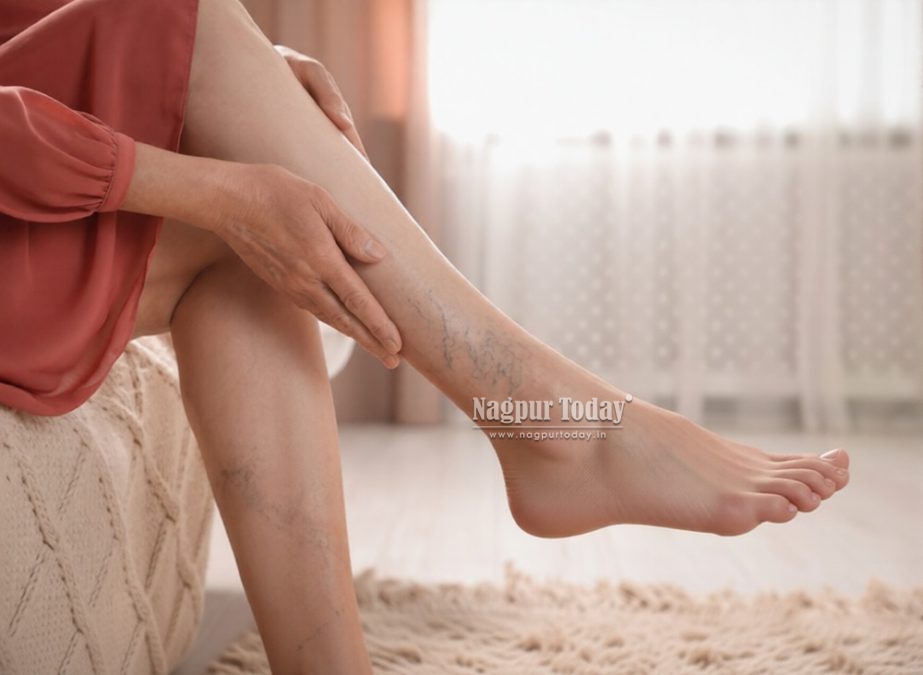
Varicose veins are a health issue in India that affects many people, especially the adults. Varicose veins are blue or dark purple colour enlarged and twisted veins that usually appear above the skin surface on the legs or feet. Many people often ignore varicose veins symptoms thinking they are a cosmetic issue but varicose veins can sometimes become a medical concern if timely medical care is ignored.
Gold Rate
Mar 9, 2026 - Time 11.45Hrs
Dr. Bhavesh Popat who provides varicose veins treatment in Mumbai says “Veins carry blood from various parts of the body to the heart. There are valves inside these veins that help the blood move in one direction. These valves open to allow blood to flow upward towards the heart and close to prevent it from flowing back. However, when these valves become weak or damaged, they do not function properly. As a result, blood starts collecting in the veins instead of moving forward. This causes the veins to swell, stretch and become visible under the skin. This condition is known as varicose veins.”
What Causes Varicose Veins?
There are various reasons why a person may develop varicose veins. One of the common causes is:
Lifestyle factor: Standing or sitting in the same position for a longer period of time puts pressure on the veins in the legs and affects proper blood circulation.
Obesity: Excess weight puts pressure on the legs and feet veins.
Physical inactivity: Lethargic, sedentary lifestyle, lack of sufficient movement makes the veins loose its strength.
Family history: A person may develop varicose in future if his/her parents or siblings are suffering from varicose.
Gender: Varicose risk factor is high during the time of pregnancy.
Age: As a person ages, the valves weakens and veins loses it’s elasticity.
Are Varicose Veins only a cosmetic Issue?
Many people consider varicose veins just a cosmetic problem because they change the appearance of the legs. But this is not always true. In some cases, varicose veins can cause discomfort and pain. If left untreated they may lead to serious health complications.
Early symptoms that may not require immediate treatment
In the early stages varicose veins may not cause serious problems. Some people may only notice the appearance of visible veins on their legs. Others may feel symptoms such as heaviness in the legs, slight swelling around the ankles or discomfort after standing for a long time. These symptoms may not require medical treatment and can often be managed through simple lifestyle changes.
When conservative management is enough
Mild symptoms can often be controlled through proper care and lifestyle improvements.
Lifestyle modifications: Regular physical activity such as walking can help improve blood circulation in the legs. Avoiding standing or sitting in the same position for long time can also prevent the condition from becoming worse.
Compression stockings: Wearing compression stockings is another method. These stockings apply pressure on the legs, which helps the varicose veins to move blood more efficiently.
Exercise and leg elevation: Elevating the legs while resting allows the blood to flow back towards the heart easily. Regular exercise also supports blood flow and reduces discomfort.
Warning signs that indicate you need treatment
Although mild symptoms can be managed at home there are warning signs that indicate the need for urgent medical care and treatment.
Persistent leg pain: Continuous severe pain in the legs should be a concern and not to be ignored.
Swelling that worsens over time: If swelling becomes worse over time and does not improve with rest it may be a sign of a some severe problem.
Skin discoloration or thickening: Skin near the affected varicose veins may start changing colour. It becomes darker or thicker. In some cases the skin may feel dry, itchy or irritated.
Bleeding varicose veins: Bleeding from varicose veins is another sign that requires immediate medical attention.
Development of ulcers: Some people may develop open wounds or ulcers near the ankles. These wounds may become infected if not treated properly.
Recurrent night cramps: Frequent night cramps and a burning or throbbing sensation in the legs are also symptoms that should not be ignored.
When to see a Specialist
If varicose veins begin to affect activities such as walking, standing or sleep it is advisable to consult a medical specialist.
- Symptoms affecting daily activities: Difficulty in performing activities due to leg discomfort.
- Increasing size of varicose veins: If the size of the varicose veins keeps increasing and does not normalises after proper and sufficient rest.
- History of blood clots: People who have a history of blood clots or deep vein problems should be careful and seek advice at an early stage.
Modern Treatment Options
In recent years medical science has developed several modern treatment options for varicose veins.
Laser Treatment (EVLT Procedure): This procedure uses heat from a laser to close the varicose veins allowing blood to flow through healthier veins.
Radiofrequency Ablation: This method uses energy to seal the damaged varicose veins.
Sclerotherapy: A special solution is injected into the varicose vein causing it to shrink and gradually disappear.
VenaSeal: In this method a special medical adhesive is used to close the damaged varicose vein.
Surgical Options
In severe cases surgical treatment may be required to treat the affected varicose veins. The type of treatment recommended usually depends on the size of the varicose veins, the severity of symptoms and the overall health of the patient.
Benefits of Early Treatment
Preventing Complications: Early treatment can help prevent complications such as skin ulcers, infections or blood clots.
Faster Recovery: Treatment at the time can reduce pain and improve blood circulation.
Quality of Life: Proper treatment can make daily activities more comfortable and improve overall quality of life.
Daily habits to prevent varicose veins from getting worse
Move often: Avoid standing or sitting for longer period, better move for some time in every 30 minutes. Physical exercise is better for your vein’s health.
Legs elevation: Raise feet above heart level for 15 minutes on a daily basis, to drain pooled blood.
Healthy diet: Reduce salt intake to avoid swelling and prefer eating high-fiber foods to prevent abdominal pressure from constipation.
Varicose veins may seem like a cosmetic problem in the beginning but they should not be ignored if the symptoms start becoming severe. While mild cases can often be managed through lifestyle changes, proper medical treatment may be necessary, in some severe cases.
Paying attention to the warning signs and consulting a doctor when needed can help in managing varicose veins and improving overall quality of life.