
Modern cardiology focuses on identifying and controlling measurable risk factors such as hypertension, diabetes, obesity, and dyslipidemia.
Ayurveda, on the other hand, approaches disease through dosha imbalance (Vata, Pitta, Kapha) and disturbances in Agni (metabolism), Ama (toxins), and Srotas (circulatory channels).
Gold Rate
Mar 30,2026 - Time 10.25Hrs

While contemporary medications are often required for long durations and may have limitations due to side effects, Ayurveda emphasizes safe, effective, and sustainable approaches. These approaches are increasingly relevant in preventive cardiology and supportive heart blockage treatment strategies.
- Dosha Assessment vs Modern Clinical Assessment
While biochemical markers help identify CAD risk, Prakriti (body constitution) offers deeper insight into individual susceptibility.
A dual approach combining modern diagnostics with Prakriti assessment can:
- Personalize treatment
- Identify high-risk individuals early
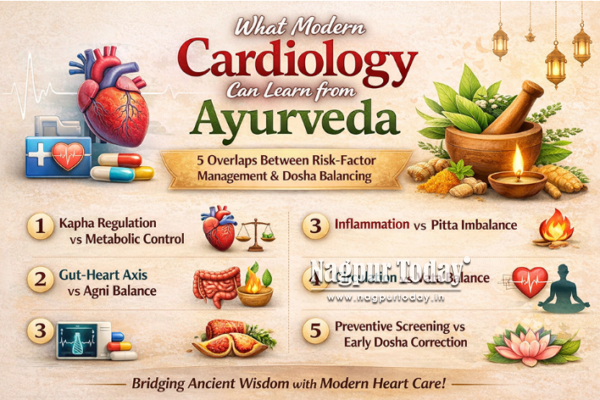
Kapha Regulation vs Metabolic Control
Modern cardiology identifies metabolic syndrome as a key risk factor.
Ayurveda correlates this with:
- Kapha aggravation
- Meda Dhatu accumulation
Management includes:
- Kapha-reducing diet
- Medohara (fat-reducing) therapies
- Agni enhancement
- Exercise
Pitta Imbalance vs Inflammation
Modern science links inflammation to atherosclerosis and plaque instability.
Ayurveda describes this as:
- Pitta aggravation
- Rakta Dushti
Management includes:
- Cooling diet
- Stress reduction
- Avoiding spicy, heat-producing foods
Vata Balance vs Circulation
Vata governs:
- Circulation
- Cardiac rhythm
- Nerve impulses
Vata imbalance resembles:
- Arterial stiffness
- Arrhythmias
- Circulatory instability
Management includes:
- Regular routine
- Warm nourishing diet
- Oil therapies (Abhyanga)
- Yoga and relaxation
- Gut-Heart Axis vs Agni Balance
Modern medicine recognizes the gut microbiome as a key factor in cardiovascular health.
Ayurveda explains this through:
- Agni (digestive intelligence)
- Ama (toxic buildup)
When Agni is weak:
- Ama forms
- Circulates in the body
- Blocks Srotas
- Leads to inflammation and disease
Modern Correlation
- Dysbiosis
- TMAO and inflammatory markers
- Gut-related cardiovascular risk
Ayurvedic Approach
- Agni Deepana (improving digestion)
- Panchakarma detox
- Dietary discipline
- Preventive Screening vs Early Dosha Correction
Modern cardiology focuses on early detection through:
- Blood tests
- Imaging
- Monitoring
Ayurveda identifies disease in early stages through Shatkriyakala (six stages of disease progression).
Stages of Disease Correlation
Kapha Stage (Metabolic):
- Obesity
- Dyslipidemia
- Insulin resistance
Pitta Stage (Inflammatory):
- Endothelial damage
- Oxidative stress
Vata Stage (Functional):
- Hypertension
- Circulatory instability
Early Ayurvedic intervention can prevent progression to chronic disease.
- Panchakarma and Cardiovascular Disorders
Modern cardiology emphasizes long-term risk reduction and metabolic correction—areas where Ayurveda offers strong support.
Recent studies suggest Panchakarma may help improve cardiovascular parameters.
Key Therapies
- Virechana: Clears Pitta and toxins
- Basti: Regulates Vata and circulation
- Udvartana: Reduces Kapha and fat
Benefits
- Improves metabolism (Agni)
- Reduces fat accumulation
- Enhances lipid profile
- Improves circulation
Clinical Outcomes Observed:
- Reduced LDL and triglycerides
- Weight reduction
- Improved vascular health
These therapies are often integrated into broader ayurvedic treatment for weight loss and metabolic correction programs.
- Lifestyle Modification vs Dinacharya
Both systems strongly emphasize lifestyle.
- Physical Activity
Modern:
- Reduces BP, cholesterol, insulin resistance
Ayurveda:
- Vyayama balances Kapha and improves circulation
- Heart-Healthy Diet
Modern:
- Mediterranean/DASH diet
Ayurveda:
- Diet based on Agni and Dosha balance
- Avoid heavy, processed foods
- Weight Management
Modern:
- Diet + exercise
Ayurveda:
- Reduces Meda Dhatu
- Balances Kapha
- Stress Management
Modern:
- Mindfulness, meditation
Ayurveda:
- Yoga, Pranayama
- Abhyanga, Shirodhara
- Sleep Hygiene
Modern:
- 7–8 hours sleep essential
Ayurveda:
- Nidra is a pillar of health
- Align with circadian rhythm
- Avoid Tobacco & Alcohol
Both systems agree:
- Smoking damages arteries
- Alcohol increases cardiovascular risk
- Routine & Discipline
Modern:
- Focus on screening and early treatment
Ayurveda:
- Dinacharya (daily routine) ensures balance
Integrative Insight
Modern cardiology excels in:
- Diagnosis
- Acute care
- Risk measurement
Ayurveda excels in:
- Prevention
- Lifestyle correction
- Root-cause management
Together, they highlight a powerful truth:
Heart disease prevention is not just about treating blockages—it is about maintaining balance in metabolism, inflammation, circulation, and daily living. Ayurveda offers a holistic framework for maintaining physiological balance through diet, lifestyle, and individualized care which makes the approach unique and reliable.
An integrative approach combining:
- Modern diagnostics
- Ayurvedic lifestyle principles
can provide a more comprehensive and patient-centered pathway to long-term heart health.