
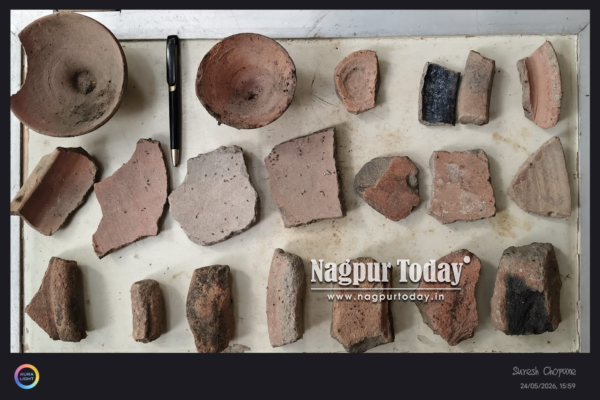
Chandrapur: In what could prove to be a landmark discovery in the history of Chandrapur, noted historian and researcher Prof. Suresh Chopane has claimed to have uncovered evidence suggesting that the city’s oldest human settlement existed at Bor Rith, a site located outside the floodplain near the confluence of the Erai and Zarpat rivers.
If validated through scientific excavation, the findings could push Chandrapur’s recorded history back by thousands of years and fundamentally reshape the understanding of the region’s ancient past.
According to Prof. Chopane, the Bor Rith site contains traces of continuous human habitation spanning multiple eras, from the Stone Age to the Satavahana, Vakataka and Yadava dynasties. Such a concentration of archaeological evidence from different historical periods at a single location is considered rare and significant.
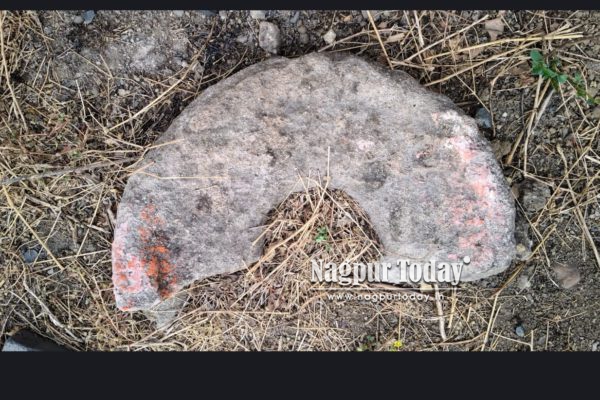
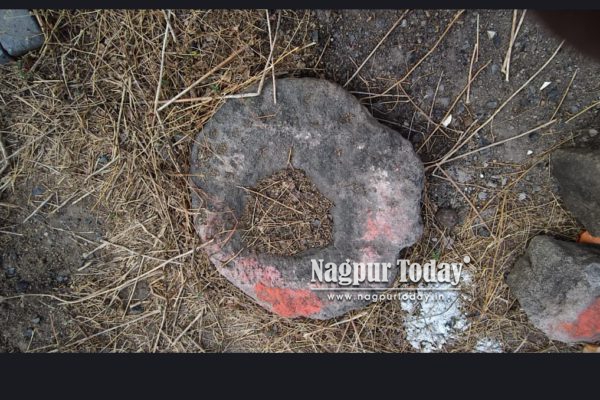
During his field research, Prof. Chopane claims to have identified a remarkable collection of archaeological remains, including Stone Age tools estimated to be around 10,000 years old, stone implements dating back nearly 3,000 years, pottery fragments from about 2,000 years ago, animal bones and teeth, and remnants of furnaces believed to have been used for iron smelting.

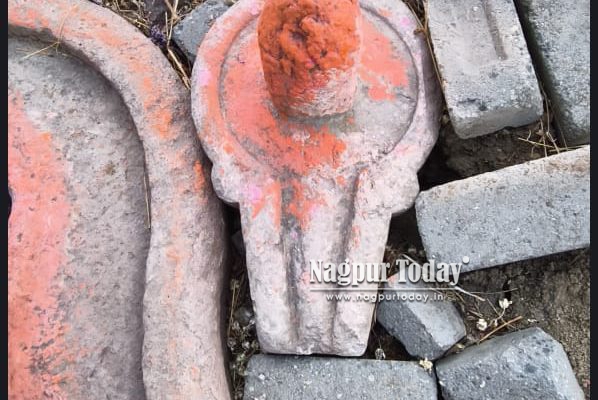
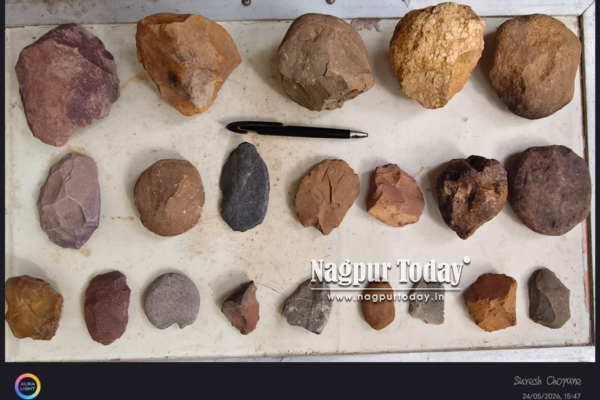 The site has also yielded indications of ancient religious activity, including remains of old temples, a Shivling and several other archaeological markers that point to a thriving settlement in the distant past.
“Evidence from multiple historical periods has been found at Bor Rith. This strongly suggests that the area may have been Chandrapur’s earliest known village or settlement,” Prof. Chopane said.
Far older than the Gond era
For decades, Chandrapur’s documented history has largely revolved around the Gond rulers, followed by the Bhonsles and the British period. However, the new research suggests that human life flourished in the region long before these eras.
According to Prof. Chopane, the findings indicate that tribal communities and early Hindu settlements existed in the Chandrapur region centuries before the rise of the Gond kingdom. The discovery could therefore extend the historical timeline of the district by several millennia.
He noted that the fertile riverbanks of the Erai and Zarpat rivers appear to have supported human habitation since prehistoric times. Similar traces of ancient settlements have also been identified in nearby areas such as Datala, Nagala, Devada, Aravat and Papamiya Hill. However, Bor Rith stands out because evidence from several distinct historical periods has reportedly been found at the same location.
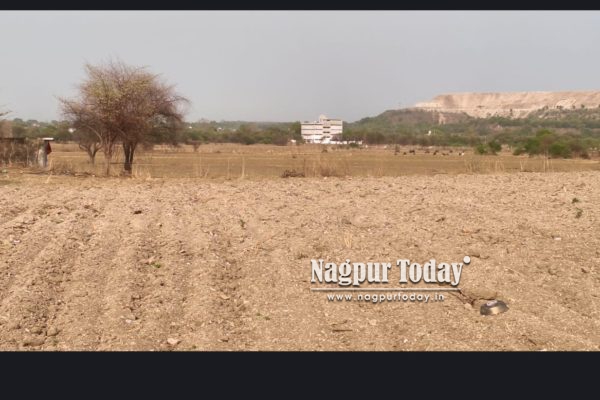
Interestingly, much of the area where these discoveries were made is currently under cultivation. Researchers believe that what appears to be ordinary agricultural land today may once have been a large and vibrant settlement.
Local farmers have reportedly informed researchers that ancient coins, ornaments and other antiquities have occasionally surfaced during farming activities over the years. These accounts have further strengthened the belief that a significant archaeological site lies buried beneath the soil.
Historians and heritage enthusiasts are now urging the Archaeological Department to undertake a detailed scientific survey and excavation of the Bor Rith site.
Experts believe that a systematic excavation could reveal invaluable information about the origins of Chandrapur, its earliest inhabitants, ancient trade networks, technological advancements and cultural evolution.
If the claims are substantiated through archaeological investigation, Bor Rith could emerge as one of the most important historical sites in Vidarbha, offering a rare glimpse into a human settlement that may have existed continuously for thousands of years.
The discovery has already sparked fresh debate among historians and researchers, with many describing it as a potential breakthrough that could rewrite the early history of Chandrapur and establish the district’s roots far deeper in antiquity than previously believed.