

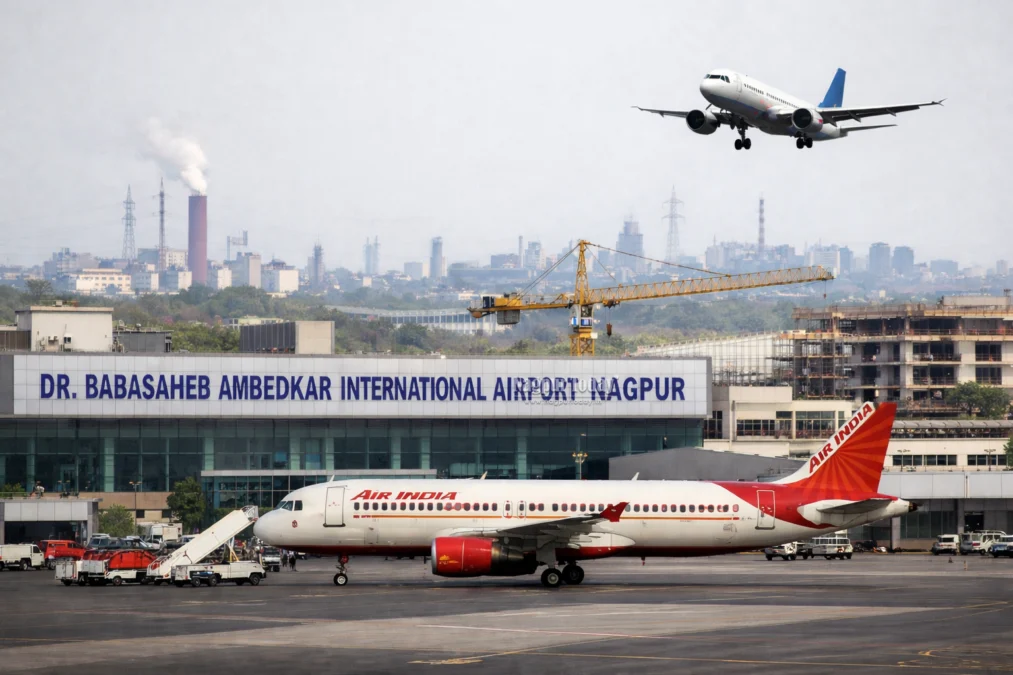
Nagpur: Dr Babasaheb Ambedkar International Airport is gearing up for a major terminal refurbishment aimed at modernising its infrastructure, streamlining passenger movement and significantly improving the overall travel experience. GMR Nagpur International Airport Limited (GNIAL), the airport operator, is preparing to revamp approximately 19,500 square metres of the existing terminal, with the project set to move forward after obtaining the necessary regulatory clearances.
GNIAL Chief Executive Officer Srikanth Bhandarkar said the airport operator has already achieved financial closure for the project, progressed with design development and brought contractors on board. The comprehensive refurbishment is expected to mark a significant step towards upgrading passenger facilities at the airport and meeting the growing expectations of air travellers.
According to Bhandarkar, the project will commence once the requisite regulatory approvals are secured. The first phase of the refurbishment is expected to be completed within 12 to 18 months from the commencement of work, subject to approvals and the project’s execution schedule.
The proposed overhaul will focus on improving passenger convenience, reducing congestion at critical points and strengthening the terminal’s operational efficiency. Among the key additions will be four self-bag-drop counters and five self-check-in kiosks, enabling passengers to complete essential pre-boarding formalities more conveniently.

The airport will also introduce four additional X-ray machines to strengthen security-screening capacity and facilitate smoother passenger processing. The forecourt kerb area, where passengers are dropped off and picked up, will be expanded to improve access and traffic movement outside the terminal.
Other major features of the refurbishment include upgraded washrooms, dedicated lounges for domestic and international passengers, and an expansion of bus boarding gates from the existing two to four. The increase in bus boarding facilities is expected to provide greater flexibility in handling passengers and improve boarding operations.
The refurbishment comes alongside a series of passenger-centric improvements implemented by GNIAL over the past three months. The airport operator has focused on upgrading services and addressing passenger needs at various touchpoints, even as preparations for the larger infrastructure project continue.
Passenger support associates and queue managers have been deployed at key locations to guide travellers, manage queues and assist with airport formalities. The processing system under Digi Yatra, which uses facial recognition for passenger verification, has also been enhanced to facilitate a smoother journey through designated checkpoints.
The airport has undertaken improvements to terminal lighting and landscaping to create a more comfortable and welcoming environment. New carpets have been installed at aerobridges, while fragrance systems have been introduced across the terminal as part of efforts to improve the ambience and passenger experience.
Security screening and baggage handling have also received attention. Additional trays and preparation tables have been provided at security checkpoints to help passengers organise their belongings before screening and reduce inconvenience during the process. Trolley availability and baggage services have been improved to make the movement of luggage more convenient.
GNIAL has also strengthened housekeeping and pest-control measures to maintain hygiene across the terminal. In addition, doctors, paramedics and technicians are available round the clock to respond to passenger medical needs and other essential support requirements.
With the proposed terminal refurbishment and the recent service improvements, GNIAL is seeking to combine infrastructure modernisation with better passenger management and enhanced amenities. The planned additions, particularly self-service facilities, expanded boarding infrastructure and dedicated lounges, are expected to improve the airport experience once the project is implemented.
However, the commencement of the major refurbishment remains contingent on the completion of the necessary regulatory formalities. The proposed 12-to-18-month timeline for the first phase will begin from the start of construction work, rather than the announcement of the project.