

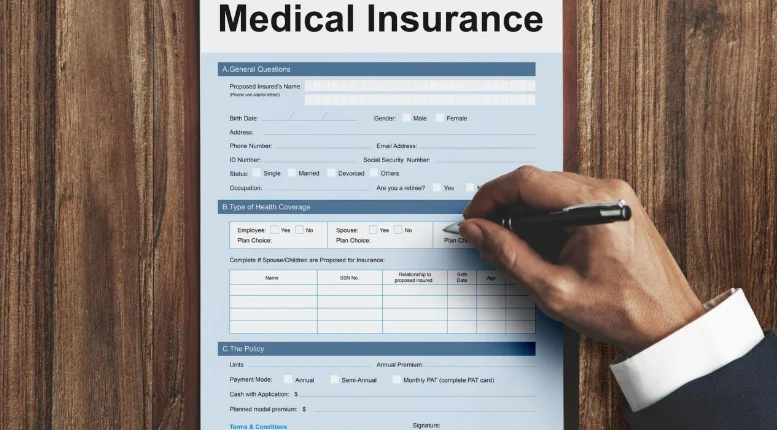
If you rarely visit a doctor, you may feel that health insurance is an unnecessary expense. However, the need for health insurance does not depend on how frequently you require medical attention.
You may be healthy today, but an unexpected illness or accident could still require hospital treatment. While occasional medical expenses may be manageable, hospitalisation can place a greater burden on your savings.

Your Current Health Is Only One Part of the Decision
Being healthy is an advantage, and good habits can reduce certain health risks. But they cannot prevent every injury or illness. An accident, serious infection or unexpected diagnosis may still require treatment. None of these possibilities depends on how often you normally visit a clinic.
An occasional consultation is different from hospital care. You may manage small expenses from your income. A hospital stay, however, can involve several charges at once, from diagnostic tests to medicines and follow-up care.
What Medical Insurance Actually Helps You Manage
The purpose of medical insurance is not to reward frequent doctor visits. It is to provide financial support for covered treatment under the terms of a policy.
Depending on the plan, this may include hospitalisation, surgery, certain procedures that do not require an overnight stay, and medical expenses before or after admission.
When Hospital Treatment Is Needed
If a doctor advises admission, you may need tests during treatment and medicines after discharge. A suitable policy may help pay for eligible parts of this care. With an approved cashless claim, the insurer settles covered bills directly with the hospital. If you use reimbursement, you pay first and submit the required documents for assessment.
Neither process means every expense will be paid. Coverage depends on policy benefits, limits and claim conditions. Understanding these details matters more than simply having an insurance card.
Does Cover Through Your Employer Change Things?
If your workplace provides health insurance, you already have a useful starting point. Read what it includes before deciding whether additional cover is necessary. Check the sum insured, hospital access and whether the policy continues if your employment changes.
You may find that the existing cover meets your needs. Alternatively, an individual policy could give you cover that does not depend on your current job. The decision should be based on the benefits you already have, not on the assumption that one policy is always enough or that two are always better.
Why Living Alone Does Not Remove the Need
Living alone does not reduce the financial impact of an unexpected illness. If you need hospital treatment, you may have to manage medical bills, take time away from work and arrange recovery. These responsibilities can affect your savings, even when you have no dependants.
A health insurance policy for a single person can provide a dedicated sum insured for your eligible medical expenses. It may offer access to cashless treatment at hospitals, subject to approval and policy terms. Review your cover, hospital access and claim conditions to understand whether an individual policy meets your needs.
What Should You Check Before Buying?
A little time spent reading the policy can prevent confusion when you need care. Pay particular attention to:
- Hospitalisation benefits:Look at covered treatments, day care procedures and expenses linked to admission.
- Cashless facilities:Check which nearby hospitals are in the insurer’s network and how approval works.
- Waiting periods: Understand when benefits for certain conditions become available.
- Share of expenses:Review deductibles, co-payments and any applicable limits.
Keep emergency contact details and policy documents within reach. Also consider whether the sum insured is suitable for your circumstances. Compare the policy wording and Customer Information Sheet rather than relying only on a short list of features.
Final Thoughts
Rarely needing a doctor is encouraging, but it is not a complete reason to rule out health insurance. Your healthcare needs can change, and hospital expenses may be harder to manage than ordinary consultations.
Look at your savings, current cover and the kind of treatment support you would want if circumstances changed. You do not need to buy a policy out of fear. An informed decision, based on your situation and the policy terms, is a more sensible approach.