

Having a family history of breast cancer can understandably raise concerns about personal health and long-term risk. Many women find themselves wondering what they can do differently, especially when genetics feels out of their control. While inherited factors do play a role, daily lifestyle choices significantly influence how the body manages risk over time. Among these, diet and nutrition are areas where women can take informed and practical steps.
A healthy diet cannot eliminate risk or replace medical screening, but it can support hormonal balance, reduce inflammation, and strengthen the body’s natural defence systems. Over time, these factors may influence how the body responds to known risk contributors.
Gold Rate
Apr 08,2026 - Time 10.30Hrs

Understanding The Causes Of Breast Cancer And The Role Of Diet
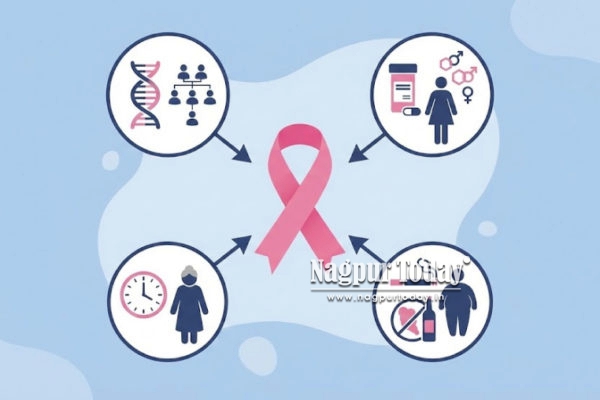
The causes of breast cancer are complex and multifactorial. They include genetic predisposition, hormonal exposure, age, lifestyle habits, and environmental influences. Women with inherited gene mutations, such as BRCA1 or BRCA2, may have a higher lifetime risk, but genes alone do not determine outcomes.
Excess body weight, chronic inflammation, insulin resistance, and oxidative stress are lifestyle-related factors that can influence breast health. Diet directly affects each of these processes. Making mindful food choices helps regulate estrogen levels, manage body weight, and support immune function, which is particularly important for women with a family history of the disease.
Focus On A Balanced, Plant-Rich Eating Pattern
A diet rich in vegetables, fruits, whole grains, and legumes provides essential vitamins, minerals, fibre, and antioxidants. These nutrients help protect cells from damage and support normal repair mechanisms.
Cruciferous vegetables such as broccoli, cauliflower, cabbage, and kale deserve special attention. They contain natural compounds that support healthy estrogen metabolism in the body. Since prolonged estrogen exposure is linked to breast cancer risk, these vegetables can be a valuable part of a preventive eating pattern.
Fruits such as berries, apples, pomegranates, and citrus fruits are rich in antioxidants that help reduce oxidative stress, a known contributor to cellular damage.
Choose Healthy Fats To Support Hormonal Balance
Fats are often misunderstood, but healthy fats are essential for hormone regulation and nutrient absorption. Omega-3 fatty acids, found in walnuts, flaxseeds, chia seeds, and fatty fish such as salmon and sardines, are known for their anti-inflammatory properties.
At the same time, it is advisable to limit saturated and trans fats commonly found in processed foods, fried snacks, and high-fat dairy products. Diets high in unhealthy fats are associated with inflammation and weight gain, both of which can influence breast cancer risk, particularly in women with a family history.
Cooking methods also matter. Steaming, grilling, baking, or light sautéing are preferable to deep frying.
Maintain A Healthy Body Weight
Body weight plays an important role in breast health, especially after menopause. Fat tissue produces estrogen, and higher estrogen levels are associated with increased risk in genetically predisposed women.
Maintaining a healthy weight through balanced eating and regular physical activity helps manage estrogen levels and supports metabolic health. Choosing whole grains such as oats, millets, brown rice, and whole wheat over refined carbohydrates helps control blood sugar and prevents unnecessary calorie spikes.
Increase Fibre Intake For Hormonal Health
Dietary fibre supports digestion and helps the body eliminate excess estrogen through the digestive system. A fibre-rich diet is also linked to better gut health, which plays a role in immune regulation.
Good sources of fibre include lentils, beans, chickpeas, vegetables, fruits with skin, seeds, and whole grains. Including fibre-rich foods across meals is more effective than relying on supplements alone.
Limit Alcohol And Highly Processed Foods
Alcohol intake has been consistently linked to increased breast cancer risk, even at low levels, due to its effect on estrogen metabolism. For women with a family history, limiting or avoiding alcohol is strongly recommended.
Highly processed and packaged foods often contain refined sugars, unhealthy fats, and additives that contribute to inflammation and metabolic imbalance. Choosing fresh, home-cooked meals allows better control over ingredients and supports long-term health.
Ensure Adequate Protein And Key Micronutrients
Protein supports immune function, tissue repair, and muscle health. A balanced intake of plant-based proteins such as pulses, beans, tofu, nuts, and seeds is recommended. If animal protein is consumed, lean options such as fish, eggs, or skinless poultry are preferable.
Micronutrients such as vitamin D, calcium, selenium, and folate support cellular health. Vitamin D, in particular, plays a role in immune regulation and may influence breast cell behaviour. Sensible sunlight exposure and foods like fortified dairy, eggs, and mushrooms can help maintain healthy levels.
The Importance Of Medical Guidance And Screening
Nutrition is an important supportive measure, but it should always be part of a broader health strategy. Regular screenings, self-examinations, and timely consultations with a qualified oncologist in Mumbai or your local region are essential, especially for women with a strong family history.
Early medical guidance helps assess individual risk, plan appropriate screening schedules, and address concerns with clarity and confidence.
Comprehensive Support Beyond Medical Treatment
Managing breast cancer risk involves more than test results and treatment plans. It also requires guidance, reassurance, and support that addresses physical health, emotional wellbeing, and long-term quality of life.
At specialised cancer hospitals such as Onco-Life Cancer Centre, care is designed to go beyond diagnosis and treatment. Women with a family history of breast cancer receive guidance that combines clinical expertise with preventive counselling, nutritional awareness, and personalised screening strategies. This integrated approach helps individuals understand their risk factors, make informed lifestyle choices, and stay proactive about their health at every stage.
By focusing on early evaluation, continuous monitoring, and patient education, Onco-Life supports women in taking confident, informed steps towards long-term breast health.
Final Thoughts
A family history of breast cancer does not mean a diagnosis is inevitable. While genetics influences risk, lifestyle choices play a meaningful role in long-term health. A balanced, nourishing diet supports hormonal regulation, reduces inflammation, and strengthens the body’s natural defences.
By understanding the causes of breast cancer and adopting mindful nutrition habits early, women can take an informed and empowering step towards better health, confidence, and peace of mind.