

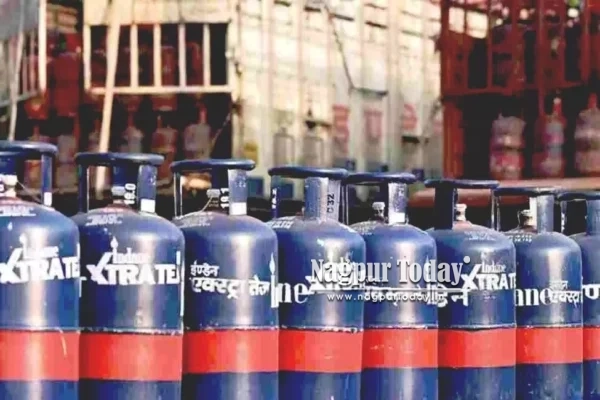
Nagpur: Commercial LPG prices across India have been increased by Rs 42 to Rs 53.50 per cylinder from Monday. The price hike comes amid concerns over fuel supply security and efforts to strengthen LPG reserves following recent disruptions linked to the West Asia conflict.
With this hike, the commercial LPG cylinder will cost around Rs 3,157.50 in Nagpur.
The price revision comes into effect from June 1 and applies only to commercial LPG cylinders used by hotels, restaurants and businesses. There has been no change in the price of domestic cooking gas cylinders.
The price of a 5-kg Free Trade LPG (FTL) cylinder has been increased by Rs 11 and will now cost Rs 821.50 in different cities. The latest hike comes at a time when the Centre is reviewing India’s fuel security strategy after supply disruptions caused by tensions in West Asia highlighted the country’s dependence on imported energy. Sujata Sharma, Joint Secretary in the Ministry of Petroleum and Natural Gas on Friday said that the government had directed state-run oil marketing companies to work towards maintaining LPG reserves equivalent to at least 30 days of demand.

The latest revision comes at a time when businesses are already grappling with rising fuel and transportation costs. Prices of 5-kg Free Trade LPG (FTL) cylinders have also been raised by Rs 11.
Commercial LPG Prices Continue Climb
The latest increase is only a small part of a much bigger story. Commercial LPG prices have surged dramatically since the start of the year. The increase has been relentless.
In February, prices were raised by Rs 49. March saw another increase of Rs 115. Then came the biggest shock in April, when prices jumped by a staggering Rs 993 per cylinder. After remaining elevated in May, rates have risen again in June.
The result is a near doubling of commercial LPG costs within just five months.
The impact is not limited to Delhi.
Commercial LPG prices have risen sharply across major urban centres. In Mumbai, a 19-kg cylinder costs Rs 3,024.50. Chennai has seen prices rise to Rs 3,232. Hyderabad and Patna are among the costliest markets, with prices at Rs 3,294 and Rs 3,322 respectively.
The nationwide increase reflects broader challenges in energy markets rather than local factors.
The LPG revision comes just days after another fuel cost increase.
Compressed Natural Gas (CNG) prices in Delhi and adjoining cities have been raised by Rs 2 per kg. The latest revision takes CNG rates to Rs 83.09 per kg.
It is the fourth increase in less than two weeks. Since May 15, CNG prices have risen by a cumulative Rs 6 per kg.
Petrol and diesel prices have also moved higher in recent weeks as oil marketing companies began passing on the impact of elevated international crude prices. Petrol rates have increased by Rs 7.35 per litre, while diesel prices have gone up by Rs 7.53 per litre in multiple rounds.
For businesses that rely on transportation as well as cooking fuel, the combined impact is significant.
The sharp rise in commercial LPG prices can be traced to disruptions in global energy supply chains.
The ongoing conflict in the Middle East, particularly the Iran-linked crisis and tensions around the Gulf region, has affected the movement of energy supplies. The disruption has pushed up global prices of LPG and made sourcing cargoes more difficult.
India is heavily dependent on the Gulf for energy imports. A large share of the country’s crude oil, natural gas and LPG requirements is sourced from the region.
While India has managed to secure alternative supplies of crude oil and natural gas, LPG availability has remained under pressure. Commercial consumers have borne the brunt of these supply constraints.
The supply concerns have prompted the government to focus on building bigger reserves.
The petroleum ministry has asked state-run fuel retailers — Indian Oil Corporation, Bharat Petroleum Corporation and Hindustan Petroleum Corporation — to prepare plans that would ensure LPG stocks sufficient for at least 30 days of demand.
The move is aimed at reducing the impact of future disruptions and strengthening India’s energy security. Officials have also indicated that efforts are underway to expand crude oil storage capacity.
What It Means For Businesses & Consumers
For restaurants, hotels, food delivery kitchens and caterers, commercial LPG is a major operating expense.
Every increase directly raises cooking costs. Businesses now face a difficult choice: absorb the additional burden and accept lower margins, or pass the higher costs on to consumers through price increases.
Either way, the impact is likely to ripple through the economy.
Higher fuel costs often translate into costlier meals, services and products. Over time, that can add to inflationary pressures and weigh on consumer spending.
With global energy markets still unsettled and supply risks persisting, businesses may have to prepare for an extended period of elevated fuel costs.