

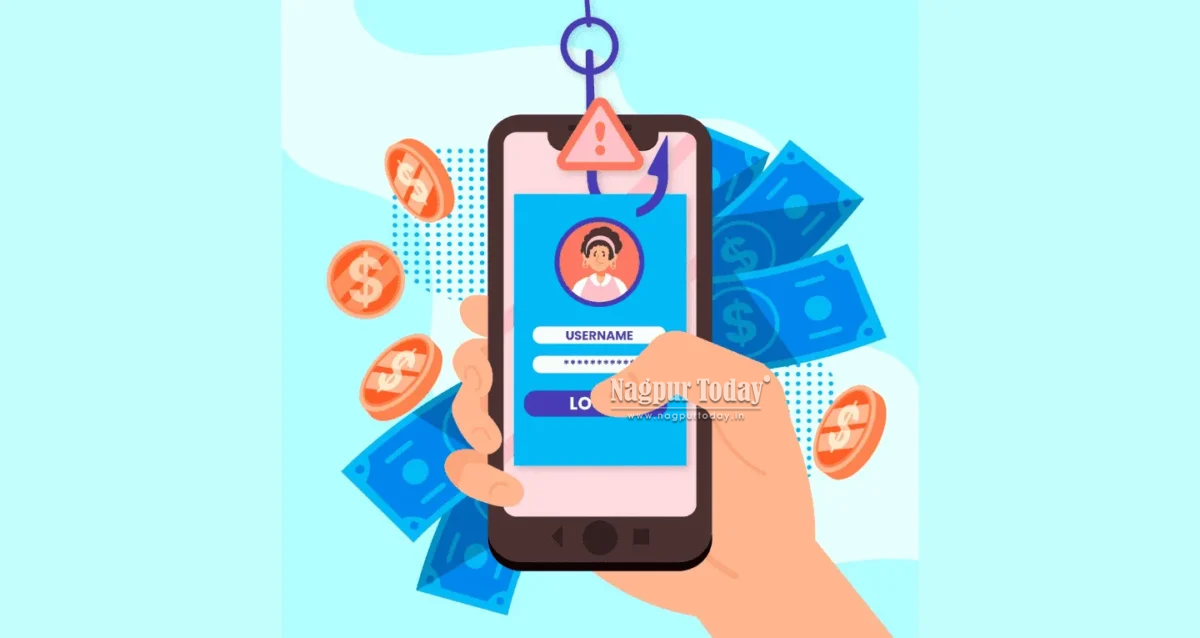
Most people install a lending app, tap through the permission prompts without reading them, and only think about it later. That habit is worth breaking, because what an app asks for on your phone is the single clearest signal of whether it’s a legitimate lender or something you should delete immediately. A genuine app needs surprisingly little. An unsafe one wants everything, and the reasons it wants everything are rarely good.
Why Permissions Are the Clearest Signal of a Safe App
Interest rates can be dressed up and websites can be made to look professional, but permissions are harder to disguise. They reveal what an app actually intends to do with your device. Regulated lenders operate under rules that restrict what they can access, so their apps ask for a narrow set of things tied to specific steps in the process. Apps operating outside those rules have no such limits, and they tend to ask for sweeping access because their business model depends on it. Reading the prompts takes thirty seconds and tells you more than any review page.
What Does a Legitimate App Genuinely Need?
Less than you might assume. The camera is the common one, needed to photograph your documents or take a selfie for KYC verification, and that access should be one-time rather than permanent. Location may be requested once for address verification or fraud checks. That’s broadly the extent of it. A lender assesses your application through your documents, your bank details and your credit record, none of which live in your photo gallery or your contact list. If an app can’t explain why it needs a particular permission in terms of a step you’re actually completing, the answer is that it doesn’t.
Permissions No Lending App Should Ask For
These requests should end the installation, not prompt a second thought:

- Your contact list or phone book, which has no bearing whatsoever on your ability to repay a loan.
- Your photo gallery, media or stored files, which contain nothing a lender legitimately needs.
- Call logs, which reveal who you speak to and when, and serve no lending purpose.
- Permanent, always-on access to your camera, microphone or location, rather than a one-time grant.
A regulated lender has no use for any of this. The presence of these requests tells you the app is built for something other than lending.
Why Would an App Want Your Contacts at All?
This is the part people don’t realise until it’s too late. Access to your contacts is the machinery of recovery by humiliation. If you fall behind, operators of illegal apps have been known to message family members, colleagues and old classmates about your debt, sometimes with edited photos taken from your gallery. That’s why the contact list and the media folder are requested together, and it’s why those two permissions matter more than any other. They aren’t about assessing you as a borrower. They’re leverage collected in advance, before you’ve missed a single payment.
Checking Consent, Storage and Deletion Rights
Beyond the prompts themselves, a legitimate app gives you control over what happens next. You should be able to see what data has been collected, withdraw your consent, and ask for that data to be deleted. The app’s privacy policy should name who holds your information and whether it’s shared with any third party, and data belonging to Indian borrowers is expected to be stored on servers within India. If a privacy policy is missing, unreadable, or generic boilerplate with no company named, treat that as a failed check. Borrowing through a pocket loan app run by a regulated lender means these protections apply by default rather than being something you have to hope for.
What If You’ve Already Granted Access?
You have more options than you think. Go into your phone’s settings and revoke any permission the app didn’t need, since most apps continue working with reduced access. Uninstalling removes ongoing access but doesn’t delete what’s already been collected, so submit a written request to the lender asking for your data to be deleted. If you’re being harassed or contacted through people in your phone book, that’s a matter for the police and can also be reported to the RBI through its portal for unauthorised entities. Do not keep borrowing from the same operator to make the pressure stop, which is the trap these apps rely on.
The Bottom Line
The permissions screen is the cheapest due diligence available to you, and it takes less time than reading the interest rate. Allow the camera for KYC, allow location if it’s a one-time check, and refuse everything else. Anything reaching for your contacts or your gallery is telling you exactly how it plans to collect repayment. If you’d rather skip the guesswork entirely, going straight to a regulated lender for the best personal loan available to you removes the question, because the limits on what can be accessed are built into how they’re allowed to operate.