

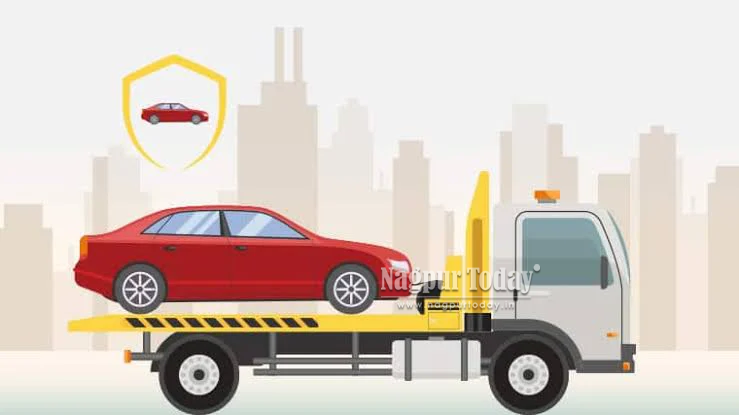
 What would you actually do? It’s late evening, the highway’s gone quiet, and your car just stalls, no warning at all. No mechanic anywhere close, no clue what’s wrong under the bonnet, and your phone’s showing one flickering bar of signal.
This is the exact moment roadside assistance cover was built for. It is not about accidents and theft because everyone prepares for them in advance. This is about that tiny problem that can ruin a perfect evening and leave you stranded on the roadside.
What This Cover Actually Is
Roadside assistance, or RSA for short, is added on top of your car insurance policy. It doesn’t come free, not even with a comprehensive plan. You choose it separately, pay a small yearly amount, and in return, help is just a phone call away the moment your car won’t budge.
Gold Rate
Sept 16,2026 - Time 10.30Hrs

Think of it less as protection and more as backup for ordinary bad luck. A burst tyre is something trivial in itself, but it turns into a problem if you are in some unknown place without a jack in your car and without any help nearby. That’s the situation this cover is meant for.
What It Actually Covers
Every insurer packages the coverage slightly differently, but the core list stays fairly similar. This is what it normally includes.

- If your car can’t move any further, it gets towed to the nearest garage.
- A jump-start or basic battery fix if your car won’t start.
- Flat tyre assistance, whether that’s a repair on the spot or a full tyre change.
- Emergency refueling in case you get stuck without a gasoline pump around.
- Assistance in the case where you have locked your keys in the vehicle.
- On-site minor repairs to mechanical or electrical problems.
A few insurers take it further still, arranging a hotel stay or alternate transport if repairs are going to eat up your whole day. Not every plan includes this service, though. Definitely worth reading the small print instead of taking everything for granted.
When It Comes In Handy
This cover rarely gets triggered by the events people worry about most. It’s not for major crashes or a stolen car because those fall under different parts of your policy. RSA is for the smaller, more common situations that catch you off guard.
Your car won’t start in the morning. Your tyre got punctured because of some poor road surface. Running out of fuel when you need to travel further to the next gas station can be a significant issue. Getting locked out because the spare key is sitting at home. None of these feels serious on its own, but each one can leave you standing beside your car for hours if you don’t have help lined up.
Long drives outside the city are where this cover earns its keep the most. In familiar neighborhoods, you probably know a mechanic or two nearby. On a highway two states away from home, you likely don’t know where the garage assistance is. That’s precisely the gap RSA is meant to close.
What It Won’t Help With
Knowing the limits is also crucial to preventing any unpleasant surprises in the future. RSA generally covers the service of getting help to you, not the cost of parts or repairs themselves. Therefore, a tow is covered, but the actual repair bill at the garage isn’t. Fuel delivery is included, but you’ll usually pay for the fuel itself.
- Cost of spare parts, fuel, or consumables used during the repair.
- Repairs carried out without informing the insurer first.
- Unattended vehicles at the site of the breakdown for too long.
- Breakdowns due to racing, overloading, or misuse of the vehicle.
- Towing beyond the distance limit set by your specific plan.
How Claims Actually Work Here
One thing that surprises many people is how little paperwork the process involves compared to a regular claim. You call the helpline number, describe where you are and what’s happened. Then, a service provider may send someone to assist you with the situation. There’s usually no upfront payment for the assistance itself.
This ties in closely with how cashless car insurance works. Instead of paying out of pocket and waiting for reimbursement later, the insurer’s network handles things directly, which matters a lot when you’re standing on the side of a road with limited cash and patience running thin.
It’s also worth remembering that RSA usually doesn’t count against your No Claim Bonus (NCB), since it’s treated separately from a regular car insurance claim. So using it for a flat tyre won’t cost you your renewal discount.
Is It Actually Worth Adding?
Mostly, yes. The math works out in your favor. You’re looking at a few hundred rupees a year, barely a blip compared to what one highway tow alone could cost you. Drive often? Take long trips? Own a car that’s a little too fond of breaking down? Then this small add-on tends to pay for itself the very first time you actually need it.
Before your next renewal, it’s worth checking whether this is already part of your cashless car insurance plan or needs to be added separately. A quick two-minute check today can spare you a rough evening down the road.