

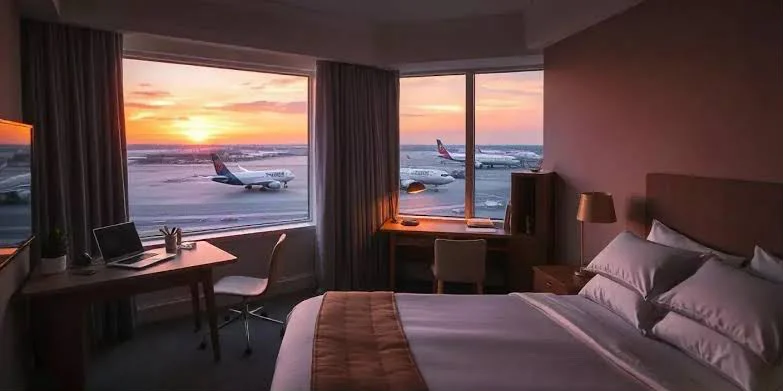
 India’s changing travel patterns are creating a need for accommodation that fits into hours, not just nights. From business meetings and airport layovers to daytime breaks and short city visits, travellers increasingly need comfortable spaces without committing to a full overnight reservation. A short stay hotel offers a practical alternative, allowing guests to choose accommodation based on their schedules, requirements, and budget.
With flexible (Hourly hotel) booking options gaining attention, hourly rooms are becoming relevant for business travellers, tourists, couples, transit passengers, and young professionals seeking convenience without paying for time they may not use.
Why Are Short Stay Hotels Gaining Popularity?
Traditional hotel bookings are designed primarily around overnight stays. However, modern travel rarely follows a fixed timetable. Early arrivals, delayed departures, meetings between appointments, and long gaps between connections can leave travellers needing accommodation for only a few hours.
An hourly hotel addresses this requirement by offering rooms for defined time slots, subject to property policies and availability. Rather than booking an entire night, guests can select a duration that aligns with their plans.

This flexibility is particularly relevant in metropolitan cities such as Mumbai, Delhi, Bengaluru, and Pune, where business travel, tourism, and transit journeys frequently overlap. Platforms such as Qwiksta help travellers explore short-stay accommodation options suited to these different needs.
5 Situations Where Hourly Rooms Make More Sense
1. Business Meetings and Work Breaks
Business travellers often have several hours between client meetings, conferences, and return journeys. Working from crowded cafés or waiting areas may not provide the privacy required for calls, presentations, or focused work.
Booking hotels on hourly basis can provide a dedicated space to freshen up, prepare for meetings, respond to emails, or rest before the next appointment. For professionals visiting another city for a single meeting, a short booking may be more practical than an overnight stay.
2. Airport Layovers and Railway Connections
Travellers with long layovers or inconvenient train schedules may need somewhere comfortable to spend the time between journeys. An appropriately located hotel can provide an opportunity to rest, shower, or recharge before departure.
A day use room can be particularly useful when the gap between arrival and departure does not justify an overnight booking. Before reserving, travellers should check travel time to the airport or railway station, the available booking window, and whether the property accommodates the intended check-in time.
3. Exploring Mumbai Without an Overnight Booking
Mumbai attracts business visitors, tourists, and professionals travelling for appointments, shopping, events, and family commitments. However, not every visit requires accommodation for an entire night.
Searching for hourly rooms Mumbai can help travellers explore options for a daytime break or a few hours of rest between activities. A day use hotel Mumbai option may suit visitors who arrive early, have an evening departure, or need a convenient base between appointments.
Location remains important. Comparing properties near the intended destination can help reduce unnecessary travel time and make a short visit more manageable.
4. Privacy and Personal Time for Couples
Couples may prefer a private, comfortable setting for a few hours without making an overnight reservation. An hourlyhotel can offer flexibility while allowing the duration to match their plans.
When considering an hourly hotel booking, guests should review the property’s couple-friendly policies, valid identification requirements, check-in procedures, and cancellation conditions. These requirements vary between properties and should be confirmed before booking.
5. Daytime Rest and Leisure
Not every hotel visit needs to involve sightseeing or business. Sometimes, travellers simply need a quiet room to relax, freshen up, or take a break from a demanding schedule.
This is where the concepts of daycation and staycationbecome relevant. A daycation involves enjoying leisure time away from the usual routine without necessarily staying overnight. A staycation generally involves taking a break close to home, often with an overnight stay, although usage varies.
For travellers seeking a few hours of comfort rather than a full leisure break, short stay hotel can provide another option.
Hourly Rooms vs Overnight Stays: What Is the Difference?
|
Factor |
Hourly hotel booking |
Overnight hotel booking |
|
Duration |
Selected time slot |
Usually overnight |
|
Best suited for |
Layovers, meetings, daytime rest |
Overnight travel and longer visits |
|
Cost |
Based on the property’s duration-based pricing |
Based on the overnight rate |
|
Flexibility |
Suits shorter, scheduled requirements |
Suits longer accommodation needs |
|
Availability |
Depends on property and time slot |
Depends on property and dates |
An hourly reservation is not automatically cheaper. The total price, taxes, amenities, extension charges, and booking conditions should be compared before making a decision.
How to Choose the Right Short Stay Hotel
Selecting suitable accommodation involves more than comparing prices. Travellers should evaluate the following factors:
A reliable hourly hotel booking process should make these details clear before confirmation. Qwiksta can be explored as an option for travellers looking for accommodation that aligns with shorter travel schedules.
The Future of Flexible Hotel Bookings
The rise of micro stay hotels reflects a broader need for accommodation that adapts to different travel durations. As work schedules, transit journeys, and city visits vary, short stays offer an alternative to the conventional overnight model.
For travellers across India, the decision ultimately depends on how long a room is needed, where it is located, and what facilities are required. By comparing hourly and overnight options carefully, guests can choose accommodation that fits their itinerary without paying for an unnecessarily long stay.
Qwiksta fits into this evolving conversation by giving travellers another way to explore flexible accommodation for business, transit, leisure, and short city visits.