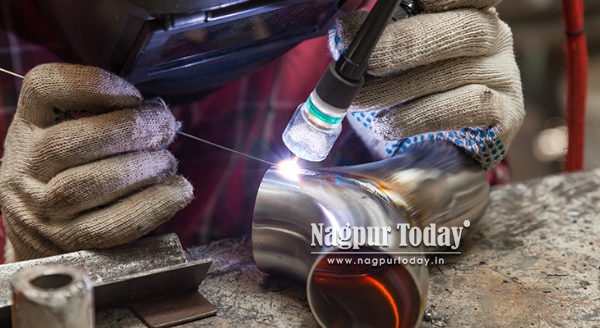
Stainless steel welding rods play a key role in modern fabrication and repair work. They are widely used in industries where strength, corrosion resistance and clean weld appearance are essential. From chemical plants to food processing units and from power generation to general fabrication, these welding rods help create joints that last longer and perform reliably in demanding conditions.
In simple terms, a stainless steel welding rod is a consumable electrode designed specifically to weld stainless steel or join stainless steel with other compatible metals. These rods melt during welding and fill the joint, forming a strong bond between the base materials. Stainless steel wires are also commonly used in semi-automatic and automatic welding processes, but welding rods remain a popular choice for many manual applications.
What are Stainless Steel Welding Rods
A stainless steel welding rod is coated with a special flux that stabilises the arc, protects the molten weld pool from air contamination and improves weld quality. The core wire composition is carefully matched to different grades of stainless steel so that the finished weld retains mechanical and corrosion-resistant properties similar to those of the base metal.
Gold Rate
Mar 2nd, 2026 - Time 11.45Hrs

Stainless steel wires and rods are available in multiple grades to suit different applications. Each grade is designed to handle specific service conditions, such as high temperature, corrosive environments or joining dissimilar metals.
Key Properties
Understanding the properties of stainless steel welding rods helps in selecting the right one for the job.
Corrosion resistance
One of the biggest advantages is their ability to resist corrosion. The chromium content in stainless steel forms a protective oxide layer on the weld surface. This makes the weld suitable for use in moist, chemical and marine environments.
High strength and durability
Welds made with stainless steel rods offer excellent strength and toughness. When applied correctly, they can withstand mechanical stress, vibration and fatigue over long periods.
Heat resistance
Certain grades of welding rods perform well at high temperatures. This makes them suitable for applications like furnaces, exhaust systems and power plant equipment.
Good weld appearance
Stainless Steel welding rods produce clean and smooth weld beads. This is especially important in visible structures such as architectural elements, railings and equipment where appearance matters.
Common Uses
Stainless Steel welding rods are used across a wide range of industries due to their versatility.
Industrial fabrication
They are commonly used to fabricate tanks, vessels, pipelines and machinery parts that operate under corrosive or high-stress conditions.
Chemical and petrochemical plants
The corrosion resistance of stainless steel welds makes these rods ideal for handling chemicals, acids and high-pressure fluids.
Food and pharmaceutical industries
Clean and hygienic welds are essential in these sectors. Stainless Steel welding rods help maintain surface integrity and prevent contamination.
Power generation and energy sector
Components exposed to heat and pressure, such as boilers and heat exchangers, often rely on stainless steel welds for long-term performance.
Maintenance and repair work
Stainless steel rods are also used for repair welding where strength and corrosion resistance are required to restore worn or damaged components.
Expert Tips for Welding with Stainless Steel Rods
Achieving high-quality welds requires the right technique along with the correct electrode selection. Here are some practical tips:
Choose the correct grade
Always match the welding rod grade to the base metal. Using the wrong grade can reduce weld strength or corrosion resistance.
Clean the joint thoroughly
Remove oil, grease, rust and moisture from the welding area before starting. Clean surfaces help prevent defects and ensure a strong bond.
Control heat input
Avoid excessive heat. Use the recommended current settings and maintain a steady travel speed to reduce distortion and cracking.
Use proper welding technique
Maintain a stable arc length and correct electrode angle. This helps produce a smooth and uniform weld bead.
Store electrodes properly
Keep the welding rods in a dry place. Moisture can affect the flux coating and lead to weld defects.
Allow proper cooling
Do not rush the cooling process. Controlled cooling helps maintain the mechanical properties of the weld.
Stainless Steel Wires and Rods in Different Welding Processes
Stainless Steel welding rods are commonly used in shielded metal arc welding, also known as stick welding. This method is suitable for both indoor and outdoor applications and works well in repair and fabrication jobs.
Steel wires are more often used in metal inert gas (MIG) and tungsten inert gas (TIG) welding processes. These processes offer higher productivity and cleaner welds, especially in fabrication shops and automated environments. Choosing between rods and wires depends on the welding method, material thickness and job requirements.
Selecting a Reliable Welding Consumable Partner
Working with high-quality welding consumables makes a noticeable difference in weld performance and productivity. Companies like Superon Technik are known in the industry for offering a wide range of stainless steel welding solutions that support consistent results across demanding applications. Using dependable consumables helps reduce rework, improve weld quality and enhance overall efficiency.
Conclusion
Stainless steel welding rods are essential tools for industries that demand strength, corrosion resistance and long-lasting performance. Understanding their properties, applications and proper use techniques helps welders achieve reliable and clean results. Whether you are working on heavy industrial equipment or precision fabrication, selecting the right welding rod and following expert welding practices will ensure strong and durable joints. As stainless steel wires and rods continue to support modern manufacturing, mastering their use remains a valuable skill for every welding professional.