

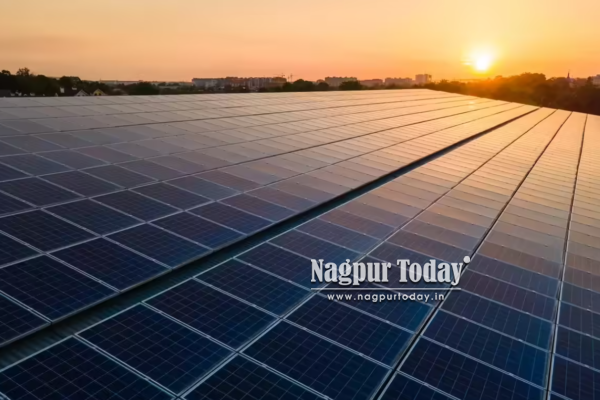
Nagpur: In a move that could significantly impact solar adoption, the Maharashtra State Government is preparing to impose electricity duty on consumers generating and using power through rooftop solar systems. The proposed duty is expected to range between 16% and 21%, raising concerns among residential, commercial, and industrial users.
Until now, electricity generated or consumed via rooftop solar installations was exempt from such duties. If implemented, this change could make solar energy notably more expensive, potentially discouraging new users and affecting existing adopters.
Gold Rate
June 30,2026 - Time 10.30Hrs

What’s Changing?
A GR (Government Resolution) has been issued to form a committee that will decide:
Applicable electricity duty on solar power generation and usage

Grid support charges
Revised billing structure based on consumption and export
The new rules will also apply to “behind-the-meter” users—those who generate and consume solar power without exporting excess electricity to the grid.
Proposed Duty Structure
Domestic users: ~16%
Commercial users: ~21%
Agriculture & captive industrial power: ~9.3%
Temporary & advertisement categories: ~21%
Additionally, consumers are already facing grid support charges, recently introduced by Maharashtra State Electricity Distribution Company Limited:
₹1.96 per unit for LT consumers
₹1.42 per unit for HT consumers
Rising Burden on Consumers
The combination of electricity duty, grid support charges, and revised peak-hour tariffs is expected to increase overall power costs—especially for industries and high-consumption users.
Solar consumers argue that the policy shift undermines the financial viability of solar investments. Many fear that the added burden could push users away from renewable energy altogether.
Solar Pumps Also Affected
Earlier, the state had increased electricity tax by 9.90 paise per unit for industrial and commercial users to fund the “Magel Tyala Krushi Pump” scheme—aimed at providing solar pumps to farmers. Now, even solar pump-related costs could indirectly rise.
Experts Raise Concerns
Energy experts have questioned the neutrality of the newly formed committee, noting that it comprises only government officials. According to him, the absence of independent experts raises doubts about fair decision-making.


सोलर प्लांट के बावजूद भारी बिजली बिल #maharashtranews #smartmeter #electricity #bills #newsupdate

ट्यूशन फीस बढ़ोतरी के खिलाफ कांग्रेस आंदोलन #maharashtranews #tuitionfees #congress #andolan

महिला को एमडी ड्रग्स के झूठे केस में फंसाने की साजिश नाकाम...

एमआईडीसी में युवक की बेरहमी से हत्या #nagpurnews #crime #murdernews #newsupdate

सिर्फ एक धक्का... फिर चला चाकू #nagpurnews #crime #accusedarrested #murdernews

सेंट्रल बिल्डिंग पर महिलाओं का अनोखा प्रदर्शन #MaharashtraNews #NewsUpdate #LatestNews #Andolan