
Mumbai: In a significant policy shift aimed at addressing rising traffic congestion and environmental concerns, the Maharashtra Government has temporarily suspended the issuance of new auto-rickshaw permits across the State. The announcement was made by Pratap Sarnaik, Maharashtra’s Transport Minister, during the ongoing State Budget Session.
Officials said the decision reflects a move from expanding the number of three-wheelers to managing “vehicle saturation” on already overcrowded roads. According to the government, the number of auto-rickshaws operating in Maharashtra has reached a level where further expansion could worsen traffic chaos and environmental stress.
Data from the Economic Survey of Maharashtra 2025-26 indicates that the state currently has over 12.96 lakh registered auto-rickshaws. The concentration is particularly intense in the Mumbai Metropolitan Region, where the density of vehicles has surged dramatically in recent years.
Gold Rate
Apr 29- 2026 - Time 10.30Hrs

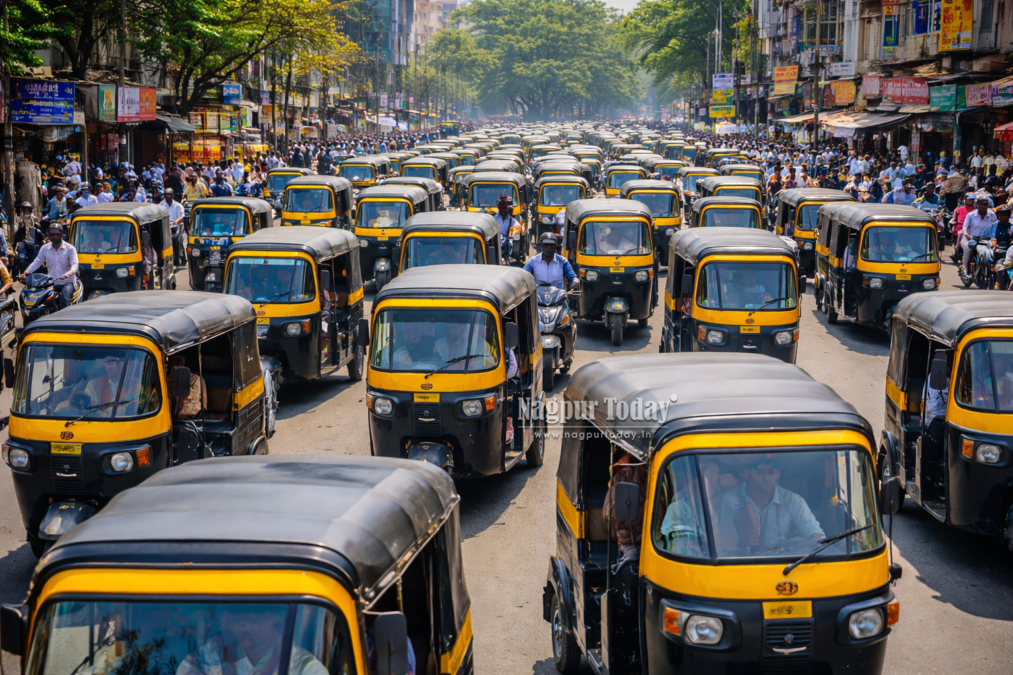
Figures from the Regional Transport Office show that Mumbai now records 2,648 vehicles per kilometre, the highest among Indian metropolitan cities. More than 2.5 lakh auto-rickshaws operate in Mumbai’s suburban areas alone, leading to severe congestion, chaotic roadside parking and frequent traffic bottlenecks.
Urban planners warn that the rising number of vehicles is also taking a toll on the city’s environment. Earlier this year, Mumbai’s Air Quality Index often hovered between 170 and 200, categorised as “unhealthy”. Although a large number of rickshaws run on CNG, experts say the massive volume of vehicles stuck in traffic contributes significantly to air pollution, particularly particulate matter and nitrogen oxide emissions.
Officials believe that allowing more permits could further strain the city’s road network and undermine efforts to improve public transport through projects such as the expanding Mumbai Metro and the gradual introduction of electric buses.
The government has also pointed out that the freeze could bring relief to existing drivers. Many rickshaw operators have complained of falling daily income due to oversupply, which has reduced the number of trips and passengers per vehicle. By halting new permits, authorities hope to stabilise earnings for nearly 14 lakh existing permit holders across the state.
At the same time, the government plans to conduct a comprehensive verification exercise after reports surfaced that some permits had allegedly been obtained through fraudulent means. The verification drive aims to ensure that only eligible and authorised operators continue to function in the sector.
Looking ahead, the state government is exploring a shift towards cleaner mobility solutions. While permits for conventional fuel-based rickshaws have been suspended for now, officials indicated that electric auto-rickshaws could be encouraged in the future as part of Maharashtra’s broader green transport strategy.
For the moment, the government’s priority remains reducing road congestion and managing the existing fleet of rickshaws more effectively, ensuring that the transport system remains sustainable without overwhelming the city’s infrastructure.