
Nagpur: Diwali travel between Pune and Nagpur is turning into an expensive ordeal, with private bus operators allegedly cashing in on the festive rush by charging as much as Rs 9,000 for a one-way ticket nearly a fortnight before the festival. With demand expected to intensify, travel agents warn that fares could breach the Rs 11,000 mark as Diwali approaches, leaving passengers staring at an unprecedented festive-season burden.
Against the normal one-way fare of Rs 1,000 to Rs 1,800, the current rates represent a staggering increase of up to 400%. The steep surge has triggered concerns over the exploitation of passengers during one of the busiest travel periods of the year, particularly as thousands of people from Vidarbha working and studying in Pune prepare to return home for the festival.
The scale of the increase becomes evident from last year’s experience. Tickets that normally cost around Rs 1,500 reportedly climbed to Rs 5,000 during the festive rush, with fares touching Rs 11,000 on the final day. This year’s early escalation has revived questions over the effectiveness of government regulations and the enforcement of fare limits on private intercity buses.
Premium buses command exorbitant fares
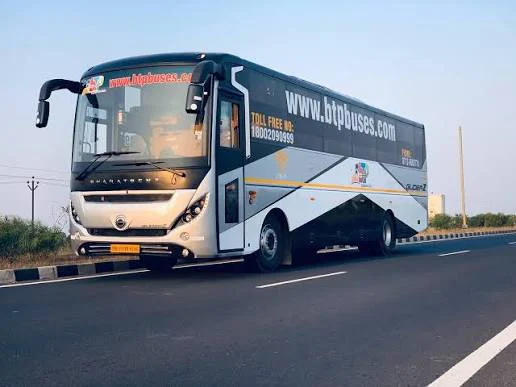
Online ticketing platforms indicate that operators are substantially increasing services to accommodate the festive rush. The number of listed buses from Pune to Nagpur stands at around 177 on November 4, 204 on November 5, 220 on November 6 and 170 on November 7. On regular days, approximately 100 to 160 buses are listed by 40 to 69 operators.

Departures are available from as early as 5 am until 11.30 pm, with a significant concentration of services during the evening hours.
Yet, the availability of additional buses has not translated into affordable travel. Fare listings on Tuesday showed premium Volvo tickets priced at Rs 8,999, while regular services were charging between Rs 3,000 and Rs 6,750. Another Volvo service was listed at Rs 7,321. AC sleeper fares ranged from Rs 2,100 to Rs 3,500, while premium Volvo and Mercedes services quoted fares between Rs 2,600 and Rs 5,500.
The widening gap between ordinary fares and festive-season prices has made the Pune-Nagpur corridor a particularly costly route for passengers who have little flexibility over their travel dates.
Road travel remains a test of endurance
For those choosing to drive, the journey is not necessarily easier. Poor road conditions and traffic congestion had turned what should have been a nine-hour drive into a journey of nearly 15 hours during the previous Diwali season. Travellers using the Samruddhi Expressway route also faced delays, with journeys that normally take around 11 to 15 hours reportedly stretching to 13 to 18 hours.
Road conditions have reportedly improved at several stretches this year, helping motorists cover some sections more quickly. However, traffic congestion during the festive rush remains a concern.
For private-car users, the estimated combined expenditure on fuel and tolls, which was around Rs 6,500 last year, is expected to rise to Rs 8,000 to Rs 9,000 this season. This makes driving alone an expensive proposition, particularly for individuals or small families.
Intercity cab fares have also moved upwards. Vehicles that were being hired for around Rs 10,000 to Rs 11,000 last year are now quoting Rs 12,000 to Rs 15,000 for the Pune-Nagpur journey.
Carpooling gains ground as passengers seek relief
With private buses and cabs becoming increasingly expensive, carpooling is emerging as a more economical option for passengers willing to share a vehicle with other travellers.
Listings on BlaBlaCar show fares of around Rs 2,000 from Pune City to Nagpur Urban, Rs 1,800 on the Pune-Nagpur route and Rs 1,930 from Hinjewadi to Nagpur. Travel time generally ranges from 10 to 15 hours, depending on the route and traffic conditions.
Around 66% of the listed rides are reportedly already booked, indicating growing demand for shared travel. Seats on peak dates are disappearing within hours, making early reservations increasingly important.
The shift towards carpooling underlines the pressure on passengers who want to reach home for Diwali without paying several times the normal bus fare. For many, sharing fuel and toll expenses has become a practical alternative to the steeply priced private transport market.
Fare cap on paper, enforcement under scrutiny
The surge has once again brought the enforcement of Maharashtra’s private-bus fare regulations into focus. Under the State guidelines cited for festive travel, private intercity bus operators cannot charge more than 1.5 times the Maharashtra State Road Transport Corporation (MSRTC) fare for the corresponding class of service and route.
The prescribed maximum rates vary according to the type of bus, with the cited fare schedule ranging from Rs 69.30 to Rs 169.86 per kilometre, depending on the category.
Last October, Regional Transport Offices (RTOs) reportedly issued instructions to operators and publicised an email address and WhatsApp number for passengers to submit complaints, supported by evidence of overcharging. Flying squads were also said to have been deployed at booking counters and boarding points to check violations.
However, passengers continue to face sharply inflated fares during peak demand. Last year’s reported action following public outrage on social media raised questions about whether enforcement is sufficiently proactive or largely reactive.
The current surge makes effective inspections, transparent fare displays and swift action on complaints particularly important. Passengers need a mechanism that delivers relief before they are forced to pay exorbitant prices, rather than after the festive rush has ended.
MSRTC steps in with additional services at normal fares
In contrast to private operators’ steep festive-season pricing, MSRTC has decided against increasing fares for Diwali and will operate additional services between Nagpur and Pune, including Chinchwad, from October 29 to November 7.
According to the announced schedule, additional services from Nagpur towards Pune are planned during the 9 am to 2 pm window, with buses running at approximately hourly intervals on the designated dates. The schedule provides for one bus on November 2, four on November 3, six daily from November 4 to 6, and five on November 7.
For passengers travelling from Pune to Nagpur, additional evening services are planned between 5.30 pm and 8.30 pm, at intervals of approximately 30 minutes. The schedule includes one bus on November 3, four on November 4, six daily on November 5 and 6, and five on November 7.
MSRTC is also arranging additional buses from Swargate, Shivajinagar, Pune Station and Pimpri-Chinchwad to Vidarbha destinations. Services are being planned for routes including Nagpur-Mahur, Gondia, Gadchiroli and Rajura. Officials have indicated that more buses may be introduced if demand exceeds the available capacity.
Passengers can check availability and book tickets through the MSRTC website at npublic.msr-tcors.com or the MSRTC mobile application.
Affordable public transport faces a crucial test
The contrasting approaches of private operators and the State transport undertaking have placed affordability at the centre of this year’s Diwali travel rush. While private fares are climbing sharply on high-demand dates, MSRTC’s additional services at regular fares offer a potential reprieve for passengers able to adjust their travel plans.
However, the effectiveness of this intervention will depend on whether sufficient buses are deployed to match demand and whether passengers can secure seats on their preferred dates.
For thousands travelling between Pune and Nagpur, the festive journey has become more than a question of convenience. It is now a test of whether transport regulations can protect passengers from excessive pricing when demand is at its highest. Without effective enforcement and adequate public transport capacity, the annual rush to reach home for Diwali risks becoming an opportunity for operators to charge what the market will bear, rather than what passengers should reasonably pay.