
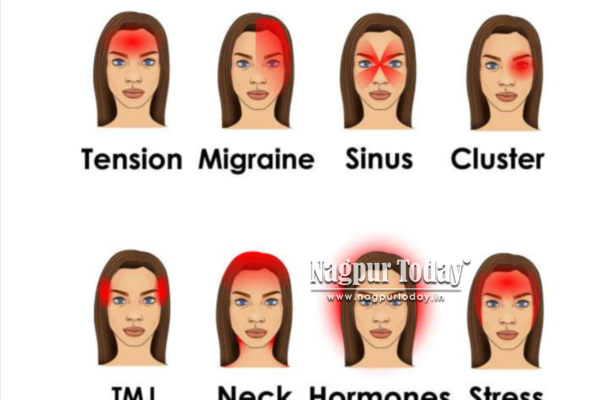
 Generally speaking, headaches are among the most common medical complaints worldwide, regardless of age or background. Most headaches are not serious and can be easily treated, but understanding their types and causes is crucial for planning effective treatment and improving quality of life.
Generally, headaches are divided into two main categories: primary and secondary. This article describes the common types of headaches, their characteristic features, underlying causes, and treatment approaches, including medications for symptom relief such as the Ibugesic plus tablet.
Primary Headaches: The Most Common Types
Primary headaches are those that occur independently of any other medical condition. They tend to be recurrent, coming in episodes of variable intensity.
Gold Rate
Apr 18 2026 - Time 10.30Hrs

1. Tension-Type Headache
Tension-type headaches are the most common form of primary headache. They typically produce a dull, aching, or pressing pain that feels like a tight band around the forehead, temples, or back of the head.
- Causes: Stress, muscle tension, poor posture, fatigue, anxiety
- A generalised bilateral symptomatic presentation which is mild to moderate and is not worsened by physical exertion. No nausea or vomiting.
- Treatment mainly includes lifestyle modification, relaxation techniques, over-the-counter analgesics such as the Ibugesic Plus tablet, or its syrup formulation like Ibulet Plus Syrup.
2. Migraine
Migraine typically presents with recurrent, moderate-to-severe pulsating headaches, often involving one side of the head.
- Causes: Complex interaction of genetic, hormonal, neurological, and environmental factors
- Symptoms include: severe unilateral pain may last from 4 up to 72 hours; nausea, vomiting; sensitivity to light and sound; sometimes preceded by a visual or sensory aura.
- Triggers include stress, certain foods, hormonal influences, sensory stimuli, and sleep deprivation.
- Pain management includes the use of NSAIDs or triptans to alleviate acute pain, and prevention is achieved through certain drugs. A modified lifestyle includes maintaining sleep and diet patterns.
3. Cluster Headache
Cluster headache is a condition characterised by extremely painful headaches that typically occur in periodic “clusters” over several weeks or months.
- Causes: Dysfunction in the hypothalamus and trigeminal nerve pathways
- Symptoms: Severe unilateral pain around or behind one eye in bouts lasting from 15 minutes to three hours, often accompanied by redness, tearing, and nasal congestion on the affected side.
- Treatment: Oxygen therapy, triptans, preventive medications, and sometimes Botox injections
Secondary Headaches: Underlying Conditions as Causes
Secondary headaches are symptoms of another underlying medical problem, most of which require urgent evaluation, especially in the presence of one or more “red flag” symptoms.
1. Sinus Headaches
Sinus headaches are characterised by pain and pressure over the cheeks, forehead, and around the eyes. These are usually caused by infection or inflammation of the sinuses.
- Causes: Bacterial or viral sinusitis, allergies
- Symptoms include facial tenderness, nasal congestion, fever, and sometimes purulent nasal discharge.
- Medications to treat a sinus infection: Pain can be relieved with analgesic medicines, such as a tablet of Ibugesic Plus.
2. Medication Overuse Headaches
Paradoxically, repeated overuse of headache medications leads to increased headache frequency and intensity.
- Causes: Overuse of pain relievers, such as opioids, triptans, or NSAIDs
- Symptoms: Frequent headaches that are steadily worsening
- Management: Gradual withdrawal of the offending drugs under medical supervision
3. Cervicogenic Headaches
Arise from disorders of the cervical spine or associated soft tissues.
- Causes: Neck injury, arthritis, poor posture
- Symptoms include unilateral pain originating in the neck and extending up into the head. This included physical therapy and pain management.
4. Headaches from Serious Medical Conditions
Some secondary headaches herald life-threatening conditions and require immediate care: Subarachnoid haemorrhage, Brain tumours, Meningitis or encephalitis, Temporal arteritis, and increased intracranial pressure. Symptoms include sudden, explosive headache, neurological deficits, fever, neck stiffness, confusion, or vision changes.
The importance of prompt diagnosis and intervention cannot be overemphasised. Diagnosing Headache Types A proper diagnosis is based on careful history and physical examination, supplemented by imaging and laboratory tests when necessary. Characteristic patterns, triggers, and associated symptoms will enable effective management.
Treatment and Role of Medications
The management would depend upon the type and frequency of the headache. Lifestyle modifications, including stress reduction, adequate hydration, regular sleep, and avoidance of known triggers, are the cornerstones of effective management. Medications for acute headache relief often include NSAIDs.
Ibugesic Plus tablet and Ibulet Plus Syrup are formulations usually employed for their analgesic and antipyretic effects in tension-type headaches and mild to moderate migraines. In cases of frequent or severe headaches, preventive medications like beta-blockers, antiepileptics, or antidepressants may be prescribed.
Conclusion
Knowledge of the different types of headaches and their aetiology allows effective detection and proper management. Most cases involve primary headaches, such as tension-type, migraine, and cluster headaches, amenable to lifestyle modifications and pharmacotherapy, including the use of Ibugesic Plus tablet and Ibulet Plus Syrup. Secondary headaches require meticulous assessment to exclude serious etiologies. Consultation with healthcare professionals is essential for accurate diagnosis and effective treatment, aiming to alleviate pain, restore function, and enhance quality of life.
Disclaimer: This article is not medical advice, and you should consult a healthcare professional in relation to your specific condition. At no time should one get involved in self-medication or modify the treatment without consulting a medical doctor.