

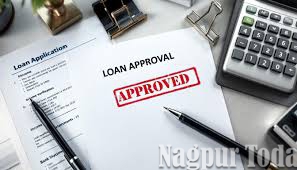
Choosing a lender isn’t just about interest rates. The documentation burden and approval process can vary wildly between institutions, and picking the wrong one can cost you weeks of frustration, rejected applications, and missed deadlines. Especially with education loans, where admission timelines are rigid, the speed and simplicity of a lender’s process matter almost as much as the rate itself.
Gold Rate
June 30,2026 - Time 10.30Hrs

Why Documentation Complexity Deserves More Attention
Most borrowers compare lenders on two things: interest rate and loan amount. That’s understandable but incomplete. Two lenders might offer nearly identical rates, yet one requires six documents and approves you in three days while the other demands twenty documents, a physical branch visit, and takes three weeks.

The paperwork a lender demands tells you something about how they operate internally. Heavy documentation requirements often signal a slower, more bureaucratic approval chain. Lighter requirements can mean the lender uses technology to verify information independently, or that they’ve simply designed a more efficient process. Neither approach is inherently better from a risk perspective, but the difference in borrower experience is enormous.
When comparing the best education loan providers, pay close attention to the document checklist before you even look at rate tables. A lender that asks for notarized copies of documents you’ll struggle to obtain is already creating friction that will compound at every stage.
Start With the Document Checklist
Before applying anywhere, get the complete list of required documents from each lender you’re considering. Not the marketing summary on the homepage. The actual, full list. Call them if you have to.
Common requirements across most lenders include identity proof, address proof, income documentation for the co-borrower or guarantor, and admission-related paperwork from the institution. That’s the baseline. Where lenders diverge is in the extras: some want property documents even when no collateral is pledged, others require employment verification letters in specific formats, and a few still insist on physical copies mailed to a processing center.
Make a simple comparison. List every document each lender requires and note which ones you already have, which you can get quickly, and which will take real effort. A lender requiring three hard-to-obtain documents is functionally slower than one requiring ten easy ones.
Evaluate the Verification Process
Documentation is only half the story. What happens after you submit everything matters just as much.
Some lenders verify documents digitally. They pull credit reports automatically, confirm academic records with institutions directly, and use electronic KYC. Others rely on manual verification where a human reviews every page, sometimes requesting clarifications that add days to the timeline.
Ask each lender specific questions. How long does verification typically take after submission? What percentage of applications require additional documentation after the initial submission? Is there a single point of contact, or will you deal with different people at different stages? The answers to these questions reveal more about your likely experience than any brochure.
When gathering documents for education loan applications, organize them in the exact format each lender specifies from the start. Rejection due to formatting errors or unclear scans is one of the most common causes of delay, and it’s entirely avoidable.
Approval Timelines Are Not Just Marketing Numbers
Lenders love to advertise approval times. “Approved in 24 hours” or “Disbursal in 48 hours” are common claims. Treat these with healthy skepticism. These timelines usually apply to the simplest cases with the most creditworthy applicants. Your experience may differ.
Instead of relying on advertised timelines, look for borrower reviews that mention actual processing times. A lender that consistently delivers approval within a week, even if they don’t claim 24-hour speed, is more reliable than one that promises instant approval but regularly takes two weeks due to internal bottlenecks.
Also consider conditional versus unconditional approval. Some lenders issue a quick conditional approval, which feels good but means very little until final verification is done. Others take longer upfront but give you a firm commitment when they do approve. For education loans with enrollment deadlines, a firm approval letter you can count on is worth far more than a provisional one.
Collateral Requirements Change Everything
If a lender requires collateral, the documentation complexity increases dramatically. Property valuation, title verification, legal opinions on the property, and registration documents all enter the picture. Each of these has its own timeline and potential for complications.
Unsecured loan products skip this entirely, which is a significant advantage when time is short. The trade-off is usually a higher interest rate or a lower maximum loan amount. Whether that trade-off makes sense depends on your specific situation, but don’t underestimate how much collateral documentation can slow things down. Property-related paperwork is where most education loan applications stall.
The Real Test Is What Happens When Something Goes Wrong
Every lender’s process works fine when your application is straightforward. The true measure of a lender is what happens when a document is unclear, a co-borrower’s credit history has a minor blemish, or an admission letter arrives in an unusual format.
Good lenders have clear escalation paths and responsive support teams. They tell you exactly what’s needed to fix a problem and give you realistic timelines. Poor lenders go silent for days, give contradictory instructions from different representatives, or restart the review process over minor issues.
Before committing, test responsiveness. Call or email with a specific question about documentation requirements. How fast do they respond? Is the answer clear and complete? That small interaction is a reliable preview of what the full process will feel like. Pick the lender that makes complexity manageable, not the one that adds to it.


सोलर प्लांट के बावजूद भारी बिजली बिल #maharashtranews #smartmeter #electricity #bills #newsupdate

ट्यूशन फीस बढ़ोतरी के खिलाफ कांग्रेस आंदोलन #maharashtranews #tuitionfees #congress #andolan

महिला को एमडी ड्रग्स के झूठे केस में फंसाने की साजिश नाकाम...

एमआईडीसी में युवक की बेरहमी से हत्या #nagpurnews #crime #murdernews #newsupdate

सिर्फ एक धक्का... फिर चला चाकू #nagpurnews #crime #accusedarrested #murdernews

सेंट्रल बिल्डिंग पर महिलाओं का अनोखा प्रदर्शन #MaharashtraNews #NewsUpdate #LatestNews #Andolan