

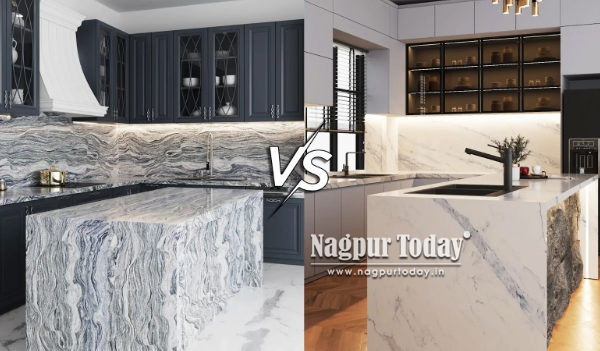
Modern kitchens are not just about style and décor. They are busy, high-use spaces where countertops are constantly exposed to heat, sharp tools, heavy appliances, food spills, stains, and frequent cleaning. If the material cannot withstand these everyday challenges, it quickly becomes difficult to maintain and may even turn unhygienic over time. For homeowners who cook often, this becomes a genuine concern.
This is why many people are rethinking traditional options like granite and exploring surfaces better aligned with current lifestyle demands. Today’s kitchens need countertops that stay cleaner, last longer, and continue looking beautiful without the stress of constant care. One such solution is engineered kitchen slabs. To help you make an informed decision, let us explore how engineered surfaces truly compare to granite in real-life kitchen conditions.
Gold Rate
Mar 30,2026 - Time 10.25Hrs

Modern Kitchens Need More Effortless Performance
Cooking is not a gentle activity. There is chopping, washing, spilling, sliding utensils, and placing hot pans on the countertop. The surface should make these tasks easier, not more complicated. Granite is widely loved for its natural beauty and strength, but with heavy daily use, its inherent limitations may begin to show. It is naturally absorbent, prone to staining, and requires periodic sealing to preserve its original finish.
Engineered kitchen slabs have stepped in as a modern answer to these challenges because they are built to stay durable, cleaner, and more consistent throughout their life. To truly understand the difference, let us look at key aspects that affect everyday performance.
1. Composition and Material Strength
Granite is mined from the earth, cut into slabs, and polished. Since it is created by nature, every piece has a different mineral structure. These differences, although aesthetically appealing, can also create weak spots in the slab. Some areas may be more porous or more susceptible to cracking if exposed to sudden force. Over many years of regular usage, this inconsistency can affect reliability.
Engineered slabs, especially those from premium brands like Neotra Advanced Surfaces, are manufactured under controlled conditions to ensure even distribution of strength across the slab. Their composition of high-grade natural minerals and advanced firing processes makes them stable, durable, and far less prone to hidden fractures. This uniformity results in long-term performance without worry.
2. Hygiene and Cleanliness
Kitchen cleanliness directly impacts food safety. Granite, being porous, can absorb liquids, oils, and colors. Items like turmeric, coffee, and sauces can seep inside and leave stubborn stains. If moisture remains trapped, bacteria or fungi may begin to develop below the surface. To prevent this, granite must be sealed regularly. However, sealing can wear down over time and with daily cleaning.
Premium engineered slabs are completely non-porous. Spills do not seep in and simply sit on the surface until wiped. This keeps germs and stains away with minimal effort. It is one of the biggest reasons homeowners with active kitchens gravitate toward these advanced materials.
3. Heat and Fire Resistance
It is very common to place hot pans, baking trays, or steaming pots on the countertop while cooking. Granite can handle moderate heat, but sudden extreme temperature changes might cause cracks or marks. This becomes a concern for people who cook frequently or multitask while handling cookware.
Engineered slabs developed at very high temperatures are naturally heat-resistant. Even when hot vessels are placed directly on the surface, the color and finish remain unaffected. This makes daily cooking less stressful and more convenient.
4. Stain and Chemical Resistance
A countertop interacts with the messy side of cooking. Spices, greasy foods, acidic ingredients like lemon and vinegar, and chemical-based cleaning products are all used regularly. Granite can react to harsh cleaners, losing its shine or developing dull patches over time.
Premium engineered surfaces offer strong protection against stains and chemical exposure. Whether it is oil, sauces, or colored liquids, the surface stays protected and wipes clean easily. Even after years of use, the slab still looks as fresh as the day it was installed.
5. Scratch and Impact Strength
Kitchen activities often involve heavy or sharp objects. Granite, although a strong material, may chip around corners and edges if hit forcefully.
Engineered slabs are built to withstand impact and scratches better because of their consistent hardness throughout the slab. They stay smooth even in busy kitchens with constant activity. Homeowners can cook freely without worrying about visible damage.
6. UV Stability for Sunlit and Outdoor Kitchens
More homes now feature island counters placed near windows or outdoor kitchen setups. Granite can fade or darken with prolonged sun exposure, limiting its suitability.
Engineered surfaces retain their original shade and finish when exposed to sunlight. This stability makes them a smart choice for bright indoor layouts or outdoor cooking areas.
7. Simple, Low Maintenance Care
Granite needs ongoing care. Without sealing at recommended intervals, it becomes vulnerable to stains and surface damage. This adds responsibility and extra cost.
Engineered slabs remain low-maintenance throughout their life. A quick daily wipe using a mild cleaner is enough to keep them looking great. For households with a fast pace, this ease of care is a major advantage.
8. Design Flexibility for Modern Aesthetics
Granite is naturally elegant but limited to patterns created by the earth. Matching slabs across larger kitchens can be tricky due to variation in color and pattern.
Engineered slabs offer a wider palette of finishes. From soft, subtle marble looks to bold modern tones, matte or glossy surfaces, and consistent patterns, they offer greater creative freedom. Kitchens feel more cohesive and visually appealing.
Which One Performs Better?
When you consider hygiene, staining, maintenance effort, heat resistance, sunlight stability, scratch strength, and design flexibility, engineered kitchen slabs provide a superior modern performance. Granite still offers timeless natural beauty but requires consistent upkeep to continue performing well.
Final Thoughts
Your kitchen countertop supports everything that happens while cooking and hosting. It should be strong enough to handle daily challenges while remaining stylish and hassle-free. Engineered kitchen slabs offer a balance of durability, beauty, and convenience, making them a smart, future-ready upgrade for today’s kitchens.