

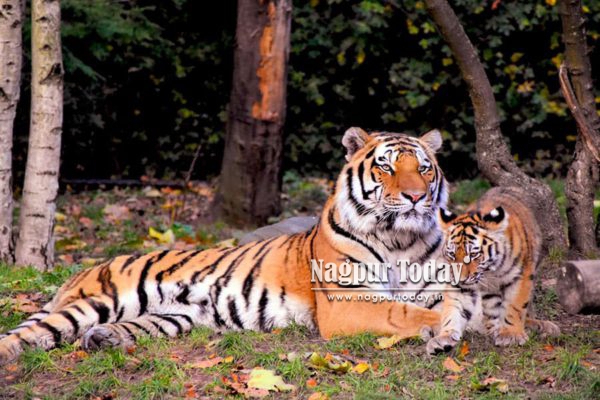
Nagpur: Instead of prioritising the protection of tiger habitat and ensuring a natural increase in their population, the administration at the Bor Tiger Reserve in Seloo taluka of Wardha district appears to have diverted its focus alarmingly towards excessive procurement of goods. Shocking details have emerged revealing that crores of rupees earmarked specifically for tiger conservation have been spent largely on the purchase of various materials, prompting wildlife activists to demand a thorough and independent inquiry.
The very foundation of a tiger reserve lies in providing tigers with a secure, undisturbed and natural habitat. However, on-ground conservation work seems to have taken a backseat to paperwork-driven purchases. As a result, tigers and leopards from the Bor reserve are increasingly straying towards human settlements, significantly raising the risk of man–animal conflict in recent times.
Gold Rate
Mar 25,2026 - Time 11.05Hrs

What has raised serious questions is the manner in which procurement has been carried out over the past two to two-and-a-half years. Without following any transparent tendering process, large-scale purchases have reportedly been made through the ‘GeM’ portal at exorbitant rates. Items such as sweaters for staff, torches, fire blower machines, grass cutters, sticks and other materials have been procured in bulk, with expenditure estimated between Rs 1 crore and Rs 1.5 crore. Critics are now questioning whether such purchases were genuinely urgent or merely a convenient avenue to exhaust conservation funds.
Mockery of the core objective of tiger conservation
Environmentalists argue that spending crores on equipment purchases instead of creating water bodies, strengthening prey base, preventing poaching and developing a conducive ecosystem for natural tiger growth amounts to a blatant betrayal of the reserve’s core objective. The funds meant to safeguard wildlife, they say, are being misused in a manner that undermines conservation itself.
Safari roads in shambles
Situated on the Nagpur-Wardha district border, the Bor Tiger Reserve has been drawing increasing attention from tourists and wildlife enthusiasts alike. While visitor footfall for tiger sightings is rising, the basic infrastructure tells a grim story. Safari routes within the reserve remain in a dilapidated condition, and several bridges are reportedly unsafe. Tourists have repeatedly flagged these issues, yet no meaningful repairs have been undertaken.
With crores of rupees being spent year after year, the obvious and uncomfortable question remains unanswered: Where exactly is the conservation money going? Unless an urgent audit and accountability mechanism is put in place, critics warn that Bor Tiger Reserve risks becoming another example of conservation reduced to a paper exercise, with wildlife paying the ultimate price.