

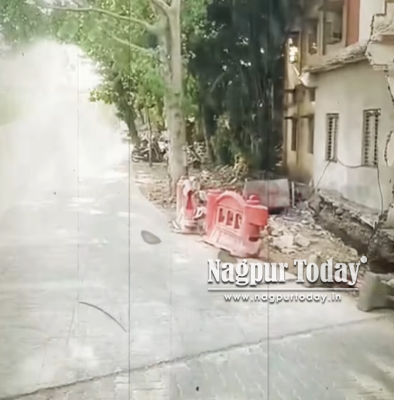
Nagpur: As summer tightens its grip, large parts of Nagpur are turning into concrete furnaces where even a patch of shade has become hard to find. What was once a city known for its tree-lined stretches is now grappling with rapidly intensifying heat pockets, driven by unchecked urbanisation and shrinking green cover.
A report by Nagpur Today has identified high-risk zones across the city that are emerging as severe heatwave hotspots. The findings point to a troubling pattern, dense construction, vanishing trees, and suffocatingly narrow lanes have combined to trap heat, creating what experts describe as “urban heat islands.”
Gold Rate
June 30,2026 - Time 10.30Hrs

Across these areas, natural cooling systems have all but collapsed. Water bodies have either disappeared or been encroached upon, while open spaces have steadily given way to cement structures. The result is stark: Neighbourhoods that absorb and retain heat throughout the day, offering little respite even at night.

The impact is most severe in congested settlements and low-income localities, where ventilation is poor and access to cooling infrastructure is limited. Here, the heat is not just uncomfortable — it is dangerous. With temperatures soaring, residents are increasingly vulnerable to heat-related illnesses.
Compounding the crisis are frequent power outages. While many households have fans, coolers, or air conditioners, recurring electricity cuts render these lifelines ineffective during peak heat hours, pushing people into unbearable conditions.
Urban planners have long warned about the consequences of neglecting ecological balance, and Nagpur now appears to be facing the fallout. Years of expansion have come at the cost of forests, agricultural land, and water resources, stripping the city of its natural heat regulators.
The disappearance of tree cover and open spaces has not only intensified heatwaves but also increased the city’s vulnerability to climate extremes. What remains is a growing concern — that without urgent intervention, these heat pockets could expand further, turning daily life into a struggle during peak summer months.
The message from the ground is clear: More concrete has meant less comfort, fewer trees have meant higher temperatures, and the cost is being paid by the city’s most vulnerable residents.


NMC Commissioner Pulls Up Officials Over Waterlogging

सोलर प्लांट के बावजूद भारी बिजली बिल #maharashtranews #smartmeter #electricity #bills #newsupdate

ट्यूशन फीस बढ़ोतरी के खिलाफ कांग्रेस आंदोलन #maharashtranews #tuitionfees #congress #andolan

महिला को एमडी ड्रग्स के झूठे केस में फंसाने की साजिश नाकाम...

एमआईडीसी में युवक की बेरहमी से हत्या #nagpurnews #crime #murdernews #newsupdate

सिर्फ एक धक्का... फिर चला चाकू #nagpurnews #crime #accusedarrested #murdernews