

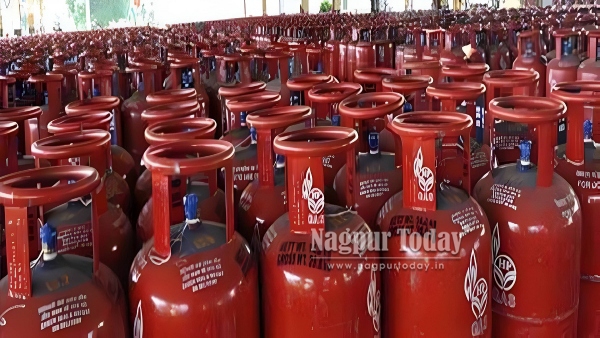
Nagpur: The year 2026 has begun with a sharp price shock for commercial LPG consumers across India, as oil marketing companies increased the price of 19 kg commercial LPG cylinders by up to Rs 111 with effect from Jan 1.
The revised prices apply to commercial cylinders used by hotels, restaurants, eateries and other business establishments, while the prices of 14 kg domestic LPG cylinders have been kept unchanged across the country, offering relief to household consumers.
Gold Rate
Mar 30,2026 - Time 10.25Hrs

With this hike, the commercial LPG cylinder will now cost Rs 1,866.50 in Nagpur.
According to the revised rate structure, the price of a 19 kg commercial LPG cylinder has been increased by Rs 111 and implemented across India.
Officials said LPG prices are reviewed and revised on the first day of every month by state owned oil marketing companies, including Indian Oil Corporation, Bharat Petroleum Corporation Limited and Hindustan Petroleum Corporation Limited. The pricing mechanism takes into account international crude oil trends, domestic production and transportation costs, foreign exchange fluctuations and other market related factors.
The increase is expected to add to inflationary pressure on the hospitality and service sectors, which are heavily dependent on commercial LPG cylinders for daily operations. Restaurant owners and small business operators have expressed concern that the higher fuel costs could affect pricing and profit margins in the coming weeks.
In contrast, domestic consumers have been spared from any immediate burden, as the prices of 14 kg household cooking gas cylinders remain unchanged nationwide. Officials said the decision reflects an effort to shield ordinary households from rising fuel costs.
The revised LPG rates have come into force with immediate effect from Jan 1, 2026, and will remain applicable until the next monthly review.
LPG prices in India are typically revised on the first of every month, based on a combination of global crude oil rates, foreign exchange fluctuations, and logistical costs. While international markets remain volatile, oil marketing companies seem to be cushioning commercial users more actively than households at present.