

Can’t focus for even 25 minutes without checking your phone, opening another tab, or losing track of what you were doing?
You are not alone. Many students, office workers, freelancers, and exam aspirants face the same problem every day.

The issue is not always lack of discipline. Often, the real problem is an unclear work pattern.
Focus Problem
Modern study and work routines are filled with noise. Messages, deadlines, social media, and mental pressure make it difficult to stay on one task. As a result, people feel busy all day but still end the day with unfinished work.
Why Focus Breaks So Fast
The human mind needs a clear starting point and a clear stopping point. When a task feels endless, the brain tries to escape it. That is why long study hours or unplanned work sessions often lead to stress, delay, and low output.
A Pomodoro-style routine solves this by turning work into short focus sessions. Instead of forcing yourself to work for hours, you work for a fixed time, take a short break, and then return with better control.
Pomodoro Method
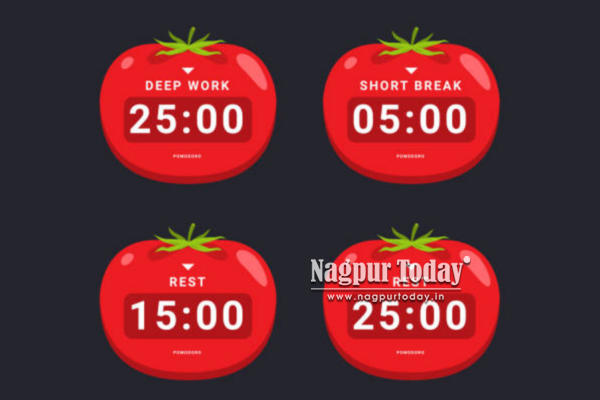
The Pomodoro method follows a simple time-blocking idea. You work with full attention for 25 minutes and then take a 5-minute break. After four such rounds, you take a longer break.
1. Start With One Task
Pick one task before starting the timer. It can be reading one chapter, writing a report, solving questions, replying to pending emails, or completing a small work section.
A clear task reduces confusion. It also stops the mind from jumping between different things.
2. Set a Focus Timer
Once the task is selected, use a pomodoro timer to begin a fixed focus session. During this period, avoid checking messages, browsing without purpose, or switching tasks.
This small rule builds discipline without making the routine feel heavy.
3. Take a Short Break
After 25 minutes, take a short break. Stand up, stretch, drink water, or rest your eyes. However, avoid turning the break into a long scroll session.
A planned break refreshes the mind and keeps tiredness under control.
Real Work Benefits
This method is popular because it works with normal human behavior. It does not ask you to become perfect overnight. Instead, it gives your mind a practical structure.
Better Concentration
When the brain knows it only needs to focus for a short time, resistance becomes lower. This makes it easier to start difficult tasks.
Less Procrastination
Many people delay work because the task feels too big. A 25-minute session feels manageable. Once you start, momentum builds naturally.
Lower Mental Pressure
Long work hours can feel draining. Short sessions make the process lighter and more controlled. Because of this, users often feel calmer and more confident.
Clear Progress
Each completed session gives a sense of achievement. Even small progress feels visible, and that keeps motivation alive.
Study Use
Students often struggle because they sit for long hours without a clear plan. They may read for three hours but remember very little. The Pomodoro method helps them study in active blocks.
Exam Preparation
For exam study, one session can be used for reading concepts, the next for solving questions, and another for revision. This keeps learning balanced.
Memory Support
Short breaks give the brain time to process information. As a result, students can retain more without feeling overloaded.
Reduced Burnout
Studying without breaks can cause tiredness and frustration. A structured timer routine helps students continue longer with better energy.
Work Use
Professionals also face focus issues, especially when tasks keep changing throughout the day. Meetings, emails, calls, and urgent requests can break attention quickly.
Office Tasks
Use one timer session for drafting a report, another for reviewing data, and another for clearing important emails. This keeps the day organized.
Remote Work
People working from home often face household distractions. A timer creates a work boundary and helps the brain shift into focus mode.
Creative Work
Writers, editors, coders, and designers can use focused sessions to move past mental blocks. Starting with 25 minutes often feels easier than waiting for motivation.
Smart Routine
The method becomes more useful when it is used with honest planning. It is not about racing against time. It is about building a steady rhythm.
Keep Tasks Small
Avoid adding huge goals to one session. Instead of “complete full project,” write “finish introduction” or “review first section.”
Remove Easy Distractions
Keep your phone away, close unused tabs, and inform others that you need a short focus period. Small changes protect your attention.
Track Completed Sessions
Write down how many sessions you finish in a day. This numeric count helps you understand your real productivity pattern.
Adjust When Needed
Some tasks may need 40 minutes instead of 25. Some days may require longer breaks. The main aim is steady focus, not strict pressure.
Final Thoughts
The Pomodoro method is simple, practical, and effective for people who struggle with focus while studying or working. It helps break large tasks into smaller, easier steps and gives the mind a clear reason to stay committed.