

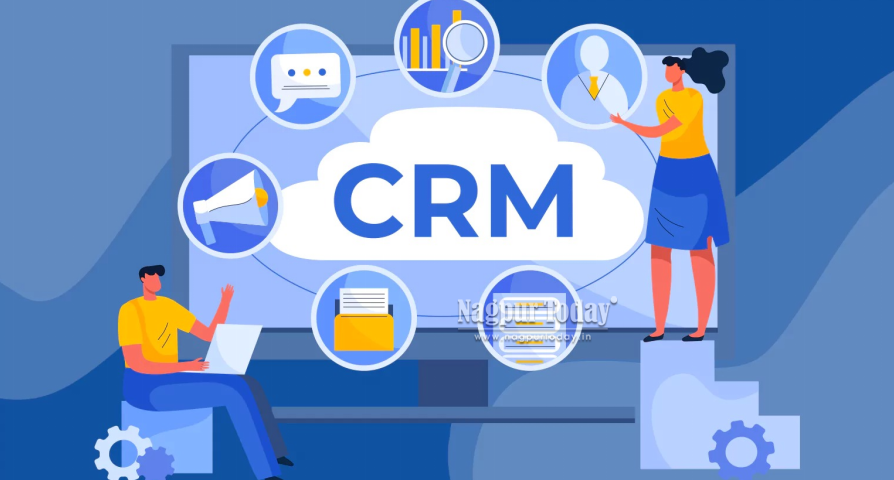
Real estate sales has shifted from relationship driven selling to process intensive demand management. Developers today operate across multiple projects, cities, and customer segments while dealing with a complex mix of digital enquiries, broker leads, site walk ins, and referral traffic. This scale creates volume, but without structured systems it also creates leakage, delays, and loss of sales momentum.
Gold Rate
Apr 09,2026 - Time 10.30Hrs

As inventory cycles tighten and marketing spends increase, leadership teams are paying closer attention to how leads are captured, qualified, distributed, and followed up. Conversion inefficiencies are no longer viewed as a sales team problem alone. They are treated as an operational risk that impacts cash flow predictability and project level profitability.
CRM for real estate acts as a contact repository. These modern platforms function as a control layer that connects marketing, presales, channel partners, site teams, and management reporting into one system of record.
Why Are Real Estate Developers Struggling With Lead Leakage
Lead leakage in real estate is rarely caused by lack of effort. It is usually the result of process gaps between enquiry generation and deal closure.
Common business drivers behind leakage include
- Enquiries coming from multiple digital and offline sources with no unified intake mechanism
- Manual lead assignment causing delays during peak campaign periods
- No clear ownership between presales teams and site sales teams
- Broker and channel partner leads not being tracked with accountability
- Inconsistent follow up timelines that do not align with buyer intent
Each of these gaps compounds over time. The result is not just lost bookings but inflated marketing costs per sale and reduced trust in sales performance data.
How Does a CRM Centralize and Control Lead Management
A CRM platform introduces structure where informal processes previously existed. It centralizes all enquiries into a single operational view and enforces consistent workflows across teams.
Unified Lead Capture
All enquiries from portals, campaign landing pages, phone calls, walk ins, and channel partners flow into one system. This eliminates duplicate records and ensures no lead is ignored.
Intelligent Lead Assignment
Rules based assignment distributes leads by project, geography, budget range, or sales team capacity. This reduces response times and removes manual dependency.
Lifecycle Based Tracking
Every lead moves through defined stages such as new enquiry, site visit scheduled, negotiation, booking, or dropped. This creates visibility into where conversions stall.
By controlling lead flow at the system level, developers reduce human error and improve response discipline across sales operations.
What Role Does CRM Play in Improving Conversion Rates
Conversion improvement requires more than faster follow ups. It requires context driven engagement and structured selling.
CRM platforms support conversion improvement by enabling
- Automated follow up reminders based on lead stage and inactivity
- Site visit scheduling with outcome tracking
- Budget and preference profiling to match leads with relevant inventory
- Broker attribution tracking to identify high performing partners
- Sales pipeline visibility for managers to intervene early
Instead of relying on individual sales intuition, developers gain repeatable processes that scale across projects and teams.
How Do CRMs Improve Broker and Channel Partner Performance
Channel partners remain a major source of qualified demand in real estate. However, without system level tracking, developers struggle to evaluate partner effectiveness.
Transparent Lead Attribution
Every broker sourced enquiry is tagged and tracked from first interaction to booking. This eliminates disputes and improves trust.
Partner Performance Analytics
CRM dashboards highlight which partners deliver site visits, negotiations, and closures rather than just lead volume.
Controlled Inventory Exposure
Partners receive access only to relevant inventory and pricing updates, reducing miscommunication with buyers.
This structured approach improves partner productivity while protecting the developer brand experience.
What Operational Visibility Do Management Teams Gain From CRM
CRM platforms translate daily sales activity into management intelligence. This enables leadership teams to make data driven decisions instead of reactive interventions.
| Business Area | CRM Visibility Outcome |
| Marketing ROI | Lead source level conversion and cost analysis |
| Sales Productivity | Follow up adherence and closure velocity |
| Inventory Movement | Unit level demand tracking |
| Team Performance | Individual and project wise comparisons |
| Forecasting | Pipeline based revenue projections |
This visibility improves planning accuracy and helps align sales strategy with inventory and cash flow goals.
Why Is CRM Adoption No Longer Optional for Developers
As projects scale and regulatory scrutiny increases, informal systems fail to deliver control. This is why leadership teams increasingly recognize the need of crm as a strategic investment rather than a sales tool expense.
Scaling Sales Operations Without Process Breakdown
Growth introduces complexity. Multiple projects, parallel launches, and geographically distributed teams create execution risk when processes are not standardized.
A CRM enables developers to
- Enforce uniform lead handling rules across all projects
- Maintain consistent follow up timelines irrespective of team size
- Replicate proven sales workflows when launching new developments
- Reduce dependency on individual sales styles and tribal knowledge
This process consistency allows organizations to scale revenue without scaling operational chaos.
Ensuring Regulatory and Audit Readiness
Regulatory scrutiny around customer communication, booking documentation, and payment tracking has increased significantly. Developers are expected to demonstrate transparency and traceability across customer interactions.
CRM platforms support compliance by
- Maintaining time stamped records of customer communication
- Tracking consent, pricing discussions, and booking status centrally
- Providing audit ready activity logs across sales stages
- Reducing exposure to disputes arising from verbal or undocumented commitments
This level of control is difficult to achieve without a centralized system of record.
Protecting Customer and Revenue Intelligence
Customer data is one of the most valuable assets for a real estate business. When information resides with individuals rather than systems, organizations face continuity and security risks.
CRM adoption ensures that
- Lead history, preferences, and negotiation context remain institutional assets
- Sales transitions do not disrupt customer experience
- Management retains visibility despite staff movement
- Historical data can be leveraged for remarketing and cross selling
This reduces long term revenue leakage caused by knowledge loss.
Improving Leadership Decision Making
Without reliable data, leadership decisions rely heavily on anecdotal reporting. CRM platforms replace intuition with operational evidence.
Developers gain access to
- Real time pipeline health across projects
- Conversion bottlenecks by stage and team
- Forecast accuracy based on live deal progress
- Early warning signals for underperforming campaigns
This enables proactive intervention rather than reactive firefighting.
Supporting Faster Team Onboarding and Productivity
High sales velocity environments require new hires to become productive quickly. CRM systems shorten learning curves by embedding process guidance into daily workflows.
Benefits include
- Reduced ramp up time for new presales and site teams
- Standardized scripts and follow up sequences
- Clear visibility into expected activities at each sales stage
- Faster alignment with organizational selling standards
How Can Developers Successfully Implement CRM for Real Impact
CRM success depends less on technology and more on operational alignment.
Best practices for implementation include
- Mapping current sales workflows before system configuration
- Defining clear lead ownership and stage definitions
- Integrating marketing sources and telephony systems
- Training presales and site teams together
- Reviewing CRM reports at leadership level on a weekly basis
When CRM becomes part of daily execution and review culture, developers see measurable reductions in lead leakage and steady improvement in conversion rates across projects.
From Leads to Closures
CRM adoption in real estate build operational discipline across the entire demand lifecycle. As developers manage higher enquiry volumes, tighter inventory cycles, and greater accountability, the ability to control how every lead is handled becomes a direct driver of revenue performance.
A well implemented CRM reduces lead leakage by enforcing ownership, timelines, and visibility at every stage of the sales journey. It improves conversion rates by enabling structured engagement, timely follow ups, and informed sales conversations aligned with buyer intent. Most importantly, it transforms sales operations from effort driven execution into a measurable, predictable business process.
For developers focused on sustainable growth, CRM platforms act as the foundation for scalable sales execution, reliable forecasting, and long term customer intelligence. Those who embed CRM into daily workflows and leadership review cycles are better positioned to protect marketing investments, accelerate bookings, and maintain control as their portfolios expand.