

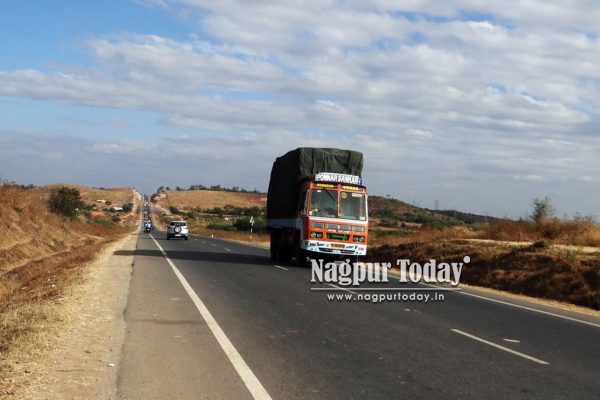
 Fuel theft costs Indian logistics companies somewhere between 15000 and 25000 rupees per truck per month according to industry estimates, and that figure doesn’t even account for unauthorized detours, idling time that burns diesel for nothing, drivers running personal errands with company vehicles, or the maintenance problems that go unnoticed until a truck breaks down on the NH48 at 2am.
Rajesh Mehta, a fleet operations manager at a mid sized logistics firm in Pune, told me his company was losing maybe 40000 rupees monthly on a single route before they installed trackers and discovered that two drivers had been making regular stops at a fuel station where an attendant would pump diesel into separate containers. Fuel theft alone costs Indian logistics companies somewhere between 15000 and 25000 rupees per truck per month according to industry estimates, and that figure doesn’t account for unauthorized detours, idling time that burns diesel for nothing, drivers running personal errands with company vehicles, or the maintenance problems that go unnoticed until a truck breaks down on the NH48 at 2am. The math on GPS tracking systems stopped being complicated years ago. A basic tracker costs maybe 3000 rupees upfront plus a monthly subscription of 200 to 400 rupees, and most fleet operators I’ve talked to say they see returns within the first two months just from fuel savings alone, which means everything after that is essentially free money.
The technology itself isn’t new, but the adoption curve in India has been steep since about 2022, when diesel prices made every unnecessary kilometer suddenly very expensive and fleet owners who had been putting off the investment started running the numbers more carefully. What changed wasn’t really the tracking capability, which has been reliable for years, but the infrastructure around it and the cost of ignoring it. Modern telematics systems pull data from the vehicle’s onboard diagnostics, which means a fleet manager sitting in Bangalore can see that a truck approaching Hyderabad has been idling for 40 minutes at a dhaba, that the engine temperature is running slightly high, that the driver braked hard three or four times in the last hour, and that fuel consumption on this particular trip is running about 12 percent higher than the same route last week. A fleet management expert at gpswox.com explained that the real value isn’t in any single data point but in the patterns that emerge when you’re tracking 50 or 100 vehicles over months because you start seeing which drivers consistently burn more fuel, which routes have delays that don’t show up on any map, and which vehicles are going to need maintenance before they actually strand someone on a highway.
Gold Rate
Mar 30,2026 - Time 10.26Hrs

The Indian market specifically has seen infrastructure catch up in ways that make real time tracking genuinely reliable rather than a frustrating exercise in watching dots disappear and reappear on a map. Five years ago, a truck going through rural Rajasthan or the hill sections of the NH44 would drop off the grid for hours because cellular coverage was patchy and satellite based tracking was too expensive for anyone except the biggest operators running premium cargo. Now you’ve got 4G coverage along most major freight corridors, and the GPS trackers themselves have gotten smarter about storing data locally and uploading it in bursts when they hit good signal areas. Priya Sharma, a logistics coordinator at a Chennai based transport company, said her team stopped worrying about coverage gaps around 2023 because even when the live feed cuts out for an hour or two, the historical data syncs automatically, and nothing actually gets lost. Modern devices can buffer maybe 72 hours of detailed trip data, according to a telematics specialist at gpswox.com, which means you’re getting a complete picture of what happened on a Kochi to Coimbatore run, even if the driver went through stretches where nothing was transmitting live.
 The theft and recovery numbers are where tracking technology gets genuinely dramatic, and India has enough vehicle theft to make this a serious consideration for any fleet operator running valuable cargo. National Crime Records Bureau data from 2023 showed over 150000 motor vehicle thefts reported that year, and while most of those are personal vehicles, the commercial trucks and tempos represent a significant chunk of the value lost. When I see a company running high value cargo without any tracking system, I know they’re either gambling that nothing will happen or they haven’t actually calculated what it costs when a truck carrying 20 lakh rupees worth of electronics disappears somewhere between Surat and Ahmedabad, and nobody can tell the police anything useful about where it might be. Vehicles with active GPS tracker get recovered maybe 80 to 90 percent of the time if the theft is reported quickly, and that number comes from tracking companies operating in India who have obvious incentives to make it sound good but also have the actual recovery data to back it up. Vehicles without GPS tracking sit around 20 to 30 percent recovery rates and even that might be generous depending on the region and the type of cargo involved.
The regulatory environment has also shifted the calculation for fleet operators who might otherwise have waited longer to invest. The Ministry of Road Transport and Highways has been pushing toward mandatory vehicle tracking for commercial vehicles, with AIS 140 compliant devices required for public service vehicles and interstate permit holders. The compliance deadlines have moved around a bit which is pretty normal for Indian regulatory rollouts but the direction is clear enough that companies installing tracking systems now are essentially getting ahead of requirements that will apply to them eventually anyway. Amit Verma, who runs a fleet of about 35 trucks doing regular runs between Delhi and Jaipur, told me he installed AIS 140 compliant devices in early 2023, partly because he saw the mandate coming and partly because he wanted to be accumulating data before his competitors. The companies that jumped on this early are now sitting on two years of historical data that helps them optimize routes and predict maintenance, while operators who waited are scrambling to install compliant systems without any of that accumulated insight and without the institutional knowledge of how to actually use the information.
The driver management side has evolved from pure surveillance into something closer to performance coaching at the better run fleets, though plenty of operators still use tracking primarily to catch people doing things they shouldn’t. A transport company in Gujarat that I spoke with last year had started tying driver bonuses directly to telematics scores, covering things like fuel efficiency and harsh braking events and on time delivery rates, and they said their fuel costs dropped about 18 percent in the first six months while driver turnover actually went down because the good performers were finally getting recognized and compensated for it. The tracking system hadn’t changed, but the way management approached the data had shifted completely from catching bad behavior to rewarding good behavior, and the drivers responded to that in ways that showed up immediately in the numbers.
The cost structure has settled into something that makes sense for most operators at this point. Hardware runs maybe 2500 to 5000 rupees, depending on features, with monthly subscriptions between 200 and 500 rupees for basic tracking and platform access. The more sophisticated systems that pull engine diagnostics and offer predictive maintenance alerts run around 8000 rupees for the device and maybe 800 monthly, and fleet operators with newer vehicles tend to see faster returns because the diagnostic data from a 2022 Tata or Ashok Leyland actually tells you something useful about what’s going wrong before it strands a driver somewhere. A fleet management expert at gpswox.com mentioned that the fuel savings alone usually cover the subscription within weeks for companies running trucks that burn 400 liters of diesel weekly, since even a 5 percent reduction works out to maybe 1500 rupees saved at current prices. The theft prevention and maintenance stuff is harder to put exact numbers on but operators who’ve been running these systems for a year or two say they stopped thinking about ROI pretty quickly because the losses they used to treat as normal just stopped happening.