

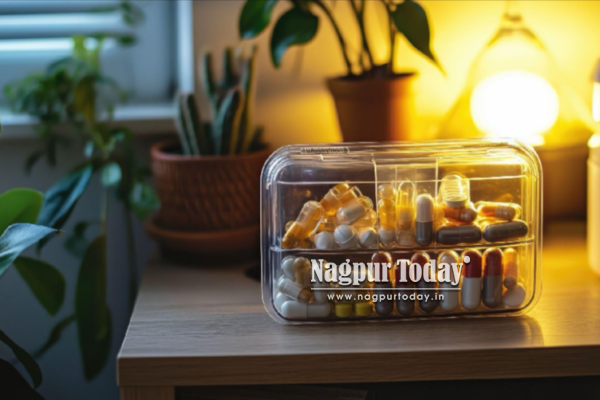
 Managing chronic conditions requires consistent medication. Yet ordering from an online pharmacy at the last minute often leads to missed doses and treatment gaps. Research indicates that approximately 50% of patients globally do not take medications as prescribed.
Why do missed doses happen
Forgetfulness remains the primary cause of poor adherence in primary care settings. Additionally, patients sometimes skip refilling prescriptions once medicines run out. Weekend deliveries, holiday delays, and pack-size confusion further contribute to treatment interruptions.
This guide shares practical strategies for building a reliable refill system. You will learn how to set reorder triggers, maintain buffer stocks, and handle stock issues confidently.
Gold Rate
28 Jan 2026

Build a refill routine that prevents last-day panic
A systematic approach transforms medicine management from stressful to straightforward.
Pick your refill date
Choose a specific date each month for placing orders. This date should fall well before your current supply ends. Consistency builds habit, making refills automatic rather than reactive.
Set a buffer stock rule
Maintaining 7-10 days of backup supply prevents clinically significant treatment interruptions. This buffer accounts for delivery delays, stock issues, and unexpected travel. Research suggests that treatment gaps exceeding seven consecutive days can impact health outcomes significantly.
Step-by-step: the monthly refill system
Follow these steps to create a foolproof ordering process:
- Step 1: List all medicines and dosages in one place. Include composition, strength, and manufacturer details in your record.
- Step 2: Calculate how long each strip or bottle lasts. Different pack sizes mean different reorder timelines.
- Step 3: Fix a reorder trigger. Place orders when 7-10 days of supply remain.
- Step 4: Keep prescriptions ready. Ensure valid prescriptions are available for prescription-required medicines.
- Step 5: Place the order and track delivery. Monitor shipment status until medicines arrive safely.
Handle stock issues without breaking your routine
Stock unavailability need not disrupt your treatment when you know the alternatives.
What to do if your exact brand is out of stock
Generic alternatives containing identical active ingredients offer a reliable option. Generic medicines available through government initiatives meet WHO-GMP certification standards. Each batch undergoes testing at NABL-accredited laboratories before distribution.
How to accept a safe substitute
Before approving any substitute, verify these four elements match exactly:
- Same active ingredient (composition)
- Same strength and dosage
- Same dosage form (tablet, capsule, syrup)
- Same release type (immediate-release versus sustained-release)
When to pause and confirm with a clinician
Contact your doctor or pharmacist when you are unsure about substitutions. This applies especially to narrow therapeutic index medicines or complex treatment regimens.
Make repeat orders safer and faster
Ordering generic medicines online becomes efficient with proper record-keeping.
Save exact medicine details
Record the complete composition, strength, dosage form, and release type for each medicine. This prevents ordering errors and simplifies future refills through any online pharmacy platform.
Avoid reordering from historical mistakes
Manufacturers occasionally change pack sizes or variants. Always verify current product details against your saved records before confirming repeat orders.
Travel, busy weeks, and emergency planning
Preparation prevents medication emergencies during disrupted routines.
The travel rule
Calculate medicine requirements for your entire trip, plus buffer days. Keep medicines in the original packaging with prescription copies. Split supplies across multiple bags to safeguard against lost luggage.
What to do if you miss a dose
Follow your clinician’s specific guidance for missed doses. Generally, avoid doubling doses without medical advice. Contact your healthcare provider for personalised instructions.
Common mistakes that cause missed doses
Awareness of these pitfalls helps you avoid them:
- Ordering only when strips are nearly empty creates unnecessary urgency and risk
- Not accounting for weekend or holiday delays leads to unexpected shortages
- Under-ordering due to pack-size confusion results in insufficient supply
- Accepting substitutions without verification may compromise treatment
- Letting prescriptions expire prevents timely refills of essential medicines
Building sustainable medicine management
Establishing a reliable refill routine protects your health and reduces stress. Using a consistent online pharmacy website simplifies tracking and builds pharmacist relationships. Platforms like Truemeds provide transparent pricing and quality verification for purchasing generic medicines online.
Speaking with your doctor about affordable generic alternatives can significantly reduce costs. Quality generic medicines cost 50-80% less than branded versions while meeting identical regulatory standards. Taking control of your refill system ensures uninterrupted treatment and better health outcomes.
FAQs
How early should I refill my monthly medicines?
Order refills when 7-10 days of supply remain. This buffer accommodates potential delivery delays and stock issues whilst ensuring uninterrupted treatment.
What is a safe buffer stock to keep at home?
Maintain at least 7-10 days of backup supply for each medicine. This duration prevents clinically significant treatment gaps from minor disruptions.
What should I do if my medicine is out of stock online?
Check for generic alternatives with identical active ingredients. Verify composition, strength, and dosage form match before accepting. Consult your pharmacist if uncertain.
Can I reorder the same medicine monthly without rechecking details?
Always verify product details before confirming. Pack sizes and variants may change between orders. Cross-reference against your saved medicine records.
What should I verify when my refill order is delivered?
Check medicine names, strengths, expiry dates, and quantities against your order. Inspect packaging integrity and confirm manufacturer details match expectations.