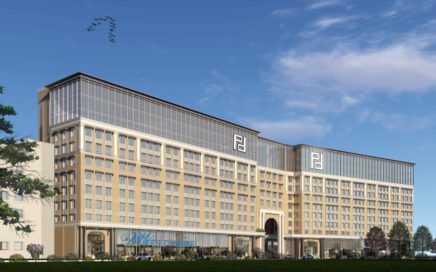

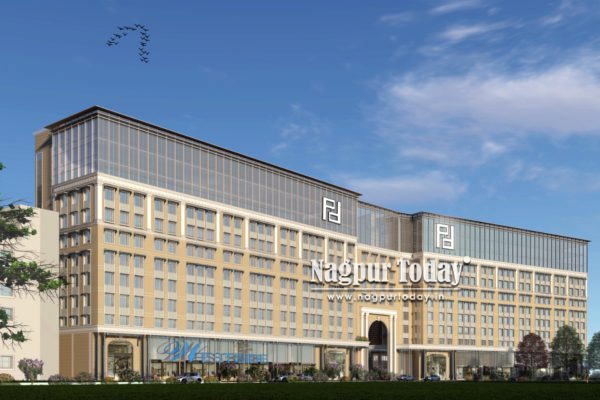
PrafulVed Infra is coming up with a sprawling Orange City Mall in line with their previous projects on London Street.
Nagpur’s skyline is ready for an upgrade, and London Street, also known as Orange City Street, is shaping up to be the new urban spine driving the city’s modern transformation. Once a concept on paper, this corridor is now prime real estate, attracting investments, hospitality interest, and developers who see it as the next big leap for Nagpur’s growth trajectory.
Location Advantage: Connectivity Meets Opportunity
London Street’s biggest strength lies in its location and connectivity. Stretching across South Nagpur, it links major arterial routes and sits close to railway and logistics corridors. The area benefits from contiguous, well-planned land parcels that allow for broad boulevards, service lanes, and large-format projects—ideal for hotels, hospitals, and mixed-use towers. In contrast to the congested old market zones, London Street promises organized, accessible, and sustainable growth.
Gold Rate
Apr 132026 - Time 10.30Hrs

The Fastest-Growing Commercial Junction
The turning point came when the Nagpur Municipal Corporation sold an 80,000-square-feet plot for around ₹111.75 crore, marking the city’s highest-ever land price. That sale was more than just a record—it was a signal of investor confidence and triggered a surge of private interest along the corridor. With masterplans already outlining retail, healthcare, IT, and recreation zones, London Street is not just an idea; it is a development pipeline in motion.
The Visionaries: PrafulVed Infra and Praful Deshmukh
Among the key players driving the transformation are PrafulVed Infra and Praful Deshmukh, who have emerged as strong local forces behind the project. Their initiatives and active development on London Street represent a blend of local expertise and modern urban vision. Unlike external corporations, their presence brings familiarity with local needs and a grounded approach to execution.
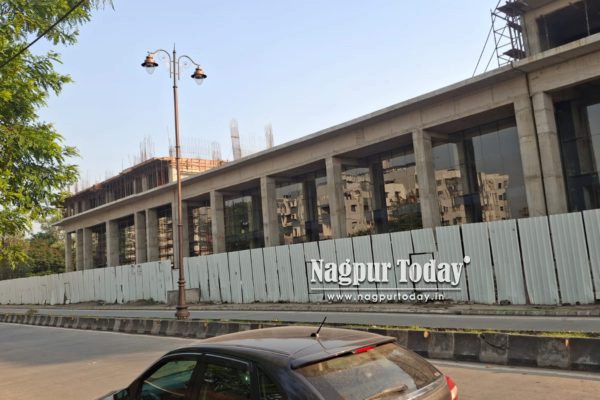
Orange City Mall at London Street, Khamla fast approaching towards completion.
Hospitality and Premium Retail on the Rise
The city has already cleared encroachments on a major Khamla plot for the construction of a five-star hotel under the Smart City initiative. This is a crucial indicator of how London Street is set to redefine hospitality in Nagpur. A high-end hotel—potentially a Taj-branded or equivalent property—will not only serve business travelers but also position the city as a serious destination for conferences, events, and tourism. Premium hotels, in turn, attract restaurants, retail outlets, and service industries that further multiply the area’s economic value.
A Clutter-Free Business Zone
The London Street masterplan emphasizes organized infrastructure: proper footpaths, service lanes, vendor zones, and landscaping that promotes an open, clean urban aesthetic. This vision aims to reduce the chaos often seen in older markets and create a business ecosystem that’s more efficient and investor-friendly. The challenge, however, lies in executing these plans without displacing existing street vendors or compromising transparency in land allocation.
A Defining Chapter in Nagpur’s Growth Trajectory
Nagpur’s overall growth pattern is driven by logistics, education, healthcare, and infrastructure. London Street integrates all of these by creating a central node for premium retail, healthcare, and business services. Its strategic position and long-term planning could make it the city’s most valuable commercial asset, contributing not just to urban expansion but also to employment and enterprise generation.
What Lies Ahead
Spearheaded by the credible name Praful Deshmukh, PrafulVed Infra has already started groundwork along the corridor, while the civic administration continues to refine zoning and infrastructure guidelines. The next few years will determine how successfully Nagpur can balance development speed with inclusivity and transparency. London Street is more than just an infrastructure project—it’s a symbol of how Nagpur is evolving into a planned, investment-friendly, and forward-looking city. If implemented with clear governance and public participation, it could set a new benchmark for urban transformation in central India.