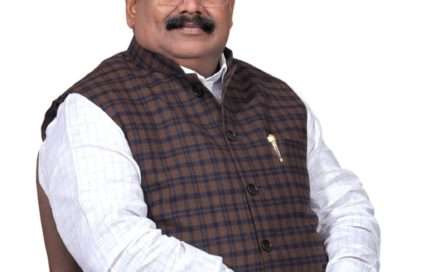

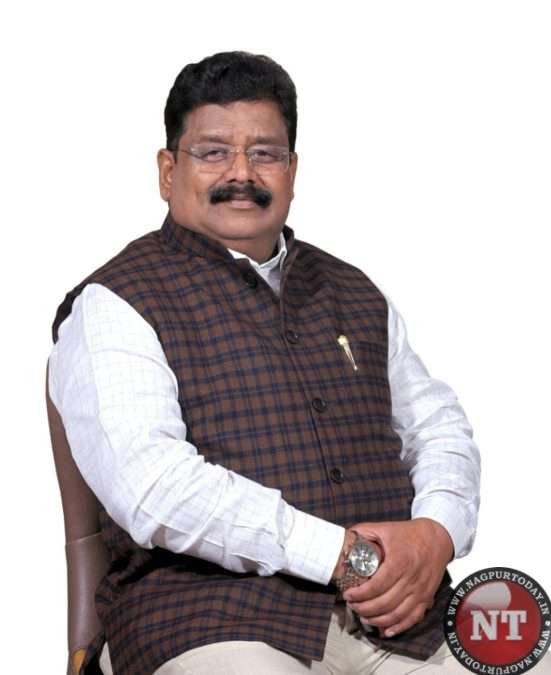
 Nagpur: Vikas Thakre, MLA of West Nagpur and president of the Nagpur City (District) Congress Committee, has raised strong objections over a ₹70,378 crore contract awarded by the Maharashtra State Road Transport Corporation (MSRTC) to subsidiaries of Megha Engineering and Infrastructure Limited (MEIL)—Olectra Greentech Limited and EV Trans Private Limited. The contract includes the purchase of 5,150 electric buses and their operation and maintenance for 12 years at a rate of ₹78 per kilometer.
Thakre has alleged that this deal involves an excess expenditure of ₹11,730 crore compared to similar contracts, resulting in the misuse of public funds.
He pointed out that the Nagpur Municipal Corporation (NMC) had also considered awarding EV Trans Private Limited a contract for 250 electric buses at ₹78 per kilometer, which would have cost ₹1,423.5 crore. However, after Thakre raised objections to the single-bid tender, NMC reissued the tender and secured a lower rate of ₹62.9 per kilometer, saving ₹275.5 crore. EV Trans itself had submitted a bid for 2,400 standard-size electric buses for BEST Mumbai at ₹64 per kilometer.
Gold Rate
Sept 09,2026 - Time 10.30Hrs

Thakre also highlighted that the terms of the MSRTC deal are more favorable to private operators compared to contracts by NMC and BEST. For instance, MSRTC pays operators for 400 kilometers per day, whereas NMC and BEST cap payments at 200 kilometers. Moreover, the MSRTC contract spans 12 years, while similar agreements are limited to 10 years.
Despite the larger number of buses, the rate of ₹78 per kilometer is significantly higher than the national average of ₹65 per kilometer for comparable contracts. Thakre argued that had MSRTC opted for a more competitive rate, ₹11,730 crore could have been saved.

Thakre further claimed that MSRTC awarded the contract amid limited competition. The only other bidder was a consortium of Olectra Greentech and TravelTime Mobility India Private Limited, making this a single-bid process.
Thakre also raised concerns over MEIL, stating that the company is notorious for donating nearly ₹1,000 crore worth of electoral bonds, mostly to the BJP and other political parties.
Given these concerns, Thakre has written to the Chief Secretary, requesting a full investigation into the matter and a halt to the contract’s implementation until the inquiry is completed. He stressed that this is crucial to safeguard public interest and the state’s financial resources.