
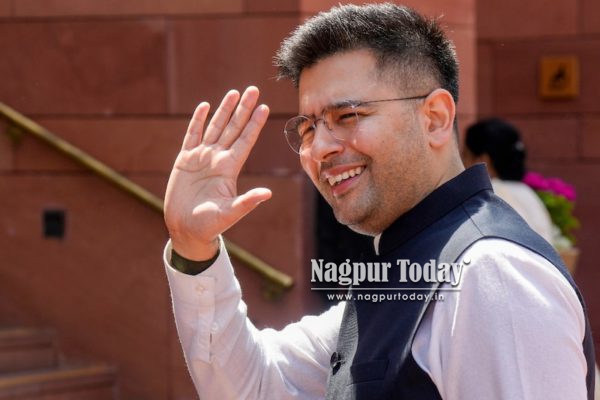
 New Delhi: In a striking example of how political decisions can instantly impact digital popularity, Raghav Chadha witnessed a massive drop of nearly 1 million Instagram followers within 24 hours of joining the Bharatiya Janata Party (BJP).
The sharp decline came soon after Chadha announced his exit from the Aam Aadmi Party (AAP), a party with which he had been closely associated and had built a strong following, particularly among younger audiences.
According to reports, his Instagram following fell from approximately 14.6 million to 13.5 million, triggering widespread discussion across social media platforms. The drop is being linked to a growing wave of backlash, especially among Gen Z users, many of whom expressed disappointment over his sudden political shift.
Gold Rate
June 29 ,2026 - Time 10.30Hrs

Social media platforms saw a surge in reactions, with hashtags and “unfollow campaigns” gaining traction shortly after the announcement. Users questioned the timing and intent behind the move, turning the issue into a trending online debate.
Chadha’s switch to the BJP is being viewed as a significant political development, as he is among several leaders who have recently distanced themselves from AAP. The move has sparked political commentary, with supporters calling it a strategic decision, while critics have labeled it opportunistic.

The episode highlights the growing influence of social media in shaping political narratives, where public sentiment-especially among younger voters-can translate into immediate and visible digital consequences.
As political alignments continue to evolve, the incident underscores a new reality: online popularity is no longer insulated from offline political decisions.


सोलर प्लांट के बावजूद भारी बिजली बिल #maharashtranews #smartmeter #electricity #bills #newsupdate

ट्यूशन फीस बढ़ोतरी के खिलाफ कांग्रेस आंदोलन #maharashtranews #tuitionfees #congress #andolan

महिला को एमडी ड्रग्स के झूठे केस में फंसाने की साजिश नाकाम...

एमआईडीसी में युवक की बेरहमी से हत्या #nagpurnews #crime #murdernews #newsupdate

सिर्फ एक धक्का... फिर चला चाकू #nagpurnews #crime #accusedarrested #murdernews

सेंट्रल बिल्डिंग पर महिलाओं का अनोखा प्रदर्शन #MaharashtraNews #NewsUpdate #LatestNews #Andolan