

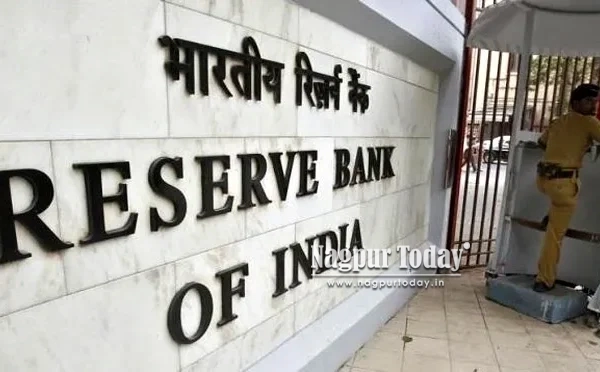
The Reserve Bank of India on Thursday issued revised norms to provide greater flexibility to banks for opening and maintaining three types of accounts: Cash credit, current, and overdraft.
These accounts are predominantly used for business and commercial transactions.
Gold Rate
28 Jan 2026

The revised direction has a new chapter — ‘Maintenance of Cash Credit Accounts, Current Accounts and Overdraft Accounts’ — to strengthen credit discipline and monitor transactions and fund utilisation better. These accounts may be used as transaction accounts by customers, which raises concern relating to credit monitoring by the lenders.
The RBI on October 1 had released the draft directions for primarily rationalising the existing provisions. The feedback received from banks and other stakeholders has been examined and the consequent modifications have been incorporated in the final directions, the central bank said in a statement.
A cash-credit account is operationally different from a current account or overdraft account, given its primary nature as a working capital facility. This is linked to the value of the borrowers current assets. A bank may provide cash-credit facilities in accordance with the needs of the customer, without any restriction.
A bank may maintain a current account or overdraft account without any restriction for customers where the aggregate exposure of banking to the customer is less than Rs 10 crore, the RBI added.
Banks can maintain collection accounts — a current account or overdraft account used primarily for receipts of cash inflows of the account holder.
Restricted payments and cash outflows from such accounts are subject to certain conditions.